

When athletes get injured, the treatment plan is usually pretty predictable.
While the journey of recovery isn’t linear, you can usually count on appointments to attend, exercises to complete, and checkpoints to measure progress along the way.
Physiotherapists, athletic therapists, physicians, and other professionals play an important role in helping athletes return to sport safely.
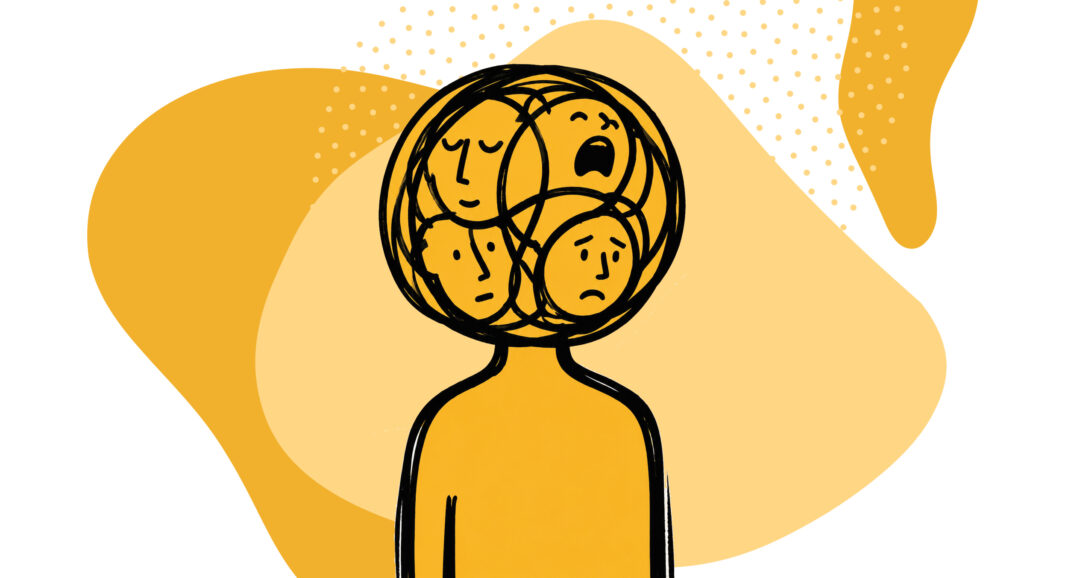
But there is another side of injury recovery that gets far less attention: the mental and emotional recovery.
As a psychologist and teen coach working with teenage girl athletes, I see the impact of injury every day. Most of the time family members and coaches are supportively focused on the physical recovery but are less aware of the fears, frustrations, and uncertainties their athletes are carrying that can make recovery even more challenging.
For many young female athletes, sport is much more than an activity they do. It provides community, purpose, confidence, connection, and identity.
What happens when that is suddenly taken away, even temporarily? The questioning takes root: Who am I without my sport? What if I never get back to where I was? What if my teammates and friends move on without me? What if I let everyone down? Do I still fit in?
These worries are all too common, yet many young female athletes feel pressured to stay positive, push through, and keep their struggles to themselves.
Emotional and mental recovery deserve just as much care as physical recovery but can be overlooked because the challenges aren’t always as visible.
The Hidden Challenges of Injury
- Injured athletes often experience:
- frustration with physical limitations
- fear of re-injury
- anxiety about returning to sport
- loss of confidence
- social isolation from teammates and friends (that may not fully understand their experience)
- disappointment over missed opportunities
- changes in identity
- challenges with body image and self-worth
These are normal human responses to a difficult situation. Acknowledging these experiences can reduce shame and help athletes recognize they are not alone.
Why Mental Recovery Matters
The mind and body are continuously exchanging information that influences both physical healing and emotional well-being. When fear, stress, self-doubt, and isolation build up, they influence how athletes experience the recovery process. It can also become harder to stay engaged with rehabilitation plans and maintain motivation during setbacks.
On the other hand, athletes who feel supported emotionally and mentally are better equipped to navigate uncertainty, communicate their needs, and remain committed to the recovery process.
Ways To Support Teen Athletes’ Mental & Emotional Recovery
Celebrate progress, not just outcomes
Recovery can feel slow and unclear, especially when focused on the finish line. Encourage athletes to notice the small victories along the way.
Perhaps they experienced a little less pain one day. Maybe they took a few extra steps, completed their rehabilitation exercises,
or laughed with a friend without thinking about the injury.
All wins matter. They are reminders that progress is happening, even when it’s harder to see.
Focus on what’s within their control
Injury can make athletes feel powerless.
Shifting attention toward actions they can take such as stretching, prioritizing sleep, eating well, and doing things they enjoy outside
of their sport can help restore a sense of confidence and agency.
Practice self-compassion
Many athletes are harder on themselves than they would ever be on others. On top of that, recovery doesn’t follow a perfectly straight line. There will be good and difficult days.
Practicing patience and self-compassion can help reduce unnecessary stress during the healing process. Encourage athletes to ask themselves: How would I treat a friend going through this same experience?
Build self-trust through small promises
When athletes follow through on their commitments, whether it’s attending appointments, taking rest days, or getting up early to establish routine, they strengthen trust in themselves.
Confidence and trust are built through consistency. Every small action sends an important message: “I can count on myself.”
Self-trust helps athletes listen to their bodies, advocate for their needs, ask questions, and trust the recovery process as they gradually return to sport.
Talk about what they’re carrying
One of the most powerful things an athlete can do is talk openly about their experience with people they trust.
Whether it is a parent, coach, teammate, therapist, or a trusted friend, having a safe space can reduce feelings of isolation and create opportunities for support and growth.
Better overall outcomes come from supporting the mental and emotional side of injury.
Recovery is more than returning to sport
It’s easy to think injury recovery is about one goal: getting back in the game.
But recovery is also an opportunity to develop resilience, self-awareness, self-compassion, and trust.
The physical aspects of healing are incredibly important.
Yet when we also care for the emotional and psychological side of recovery, we support athletes not only in returning to sport, but in returning more confident and connected to themselves.
You may also like: Soft Tissue Injuries in Need of Peace and Love

Read This Story in Our 2026 Summer & Outdoor Issue
Canada’s best source of health & fitness information — IMPACT Magazine’s 2026 Summer Outdoor Travel Issue: trail running, outdoor travel, workouts and seasonal recipes.
Featuring world-class French-Canadian ultra-trail runner Mathieu Blanchard, this digital edition takes you coast to coast through Canada’s most unforgettable bucket-list hikes, trail-running tips, and race-day strategies. Build strength and balance with targeted summer workouts, master the taper, and find your footing on technical terrain. Plus enjoy seasonal grilling and plant-forward recipes — Grilled Mexican Corn, Hoisin Portobello Burgers with Chili Lemon Broccolini, Smoky Black Bean Quinoa Burgers — and more outdoor cooking inspiration for active travelers.