


You got eight hours of sleep. You made it to the gym.
You’ve been trying to eat well. On paper, you’re doing everything you usually do to stay on top of your health.
And yet, you’re wiped out. Again. And then again the next day.Many active Canadians shrug this off. They blame a busy schedule or getting older, pour another coffee, push through another workout, and hope the weekend will fix it.
Only, sometimes “tired” isn’t a passing state. It’s something else entirely. It’s a sign of depletion.
In my work as a naturopathic doctor, I see this pattern all the time. People gradually stop feeling like themselves. Training feels harder, recovery takes longer, and the energy they once had simply isn’t there.
They wake up tired, relying on caffeine to keep going, and can’t figure out why the habits that used to carry them aren’t doing much anymore.
Normal Tiredness vs. Physical Depletion
There’s a real difference between tiredness and physical depletion.
Tiredness is part of life. A rough night of sleep, a tough training session, or a stressful stretch at work can all take the wind out of you. But with rest and a bit of TLC, you come back.
Depletion doesn’t work that way.
Physical depletion happens when what you’re asking of your body consistently exceeds what it can recover from. Over time, stress, poor sleep, inadequate nutrition, intense exercise, and other life pressures can slowly drain the reserves you rely on to feel steady and strong.
And it’s easy to miss at first. You might notice:
- you wake up tired even after a full night of sleep
- you need more time to recover from workouts
- a dip in performance, drive, or enthusiasm
- brain fog, scattered focus, or trouble concentrating
- you feel snappy, overwhelmed, or on edge more easily
- you catch colds more often
- a nagging sense that something is “off”
Plenty of people live with these signs and write them off as just being busy. But living on empty all the time shouldn’t be treated as normal.
Recovery is Where Progress Happens
Most active people prioritize training but overlook recovery. Exercise is a stressor. You don’t get stronger during the workout, but during the recovery that follows.
Sleep is one of the most powerful recovery tools we have. It gives the body time to repair tissues, restore energy, and regulate the hormones that support performance. Recovery days matter too. Low-intensity Zone 1 exercise can help your body recover without adding significant physical stress.
Stress Outside the Gym Still Counts
What happens outside the gym matters, too. Chronic stress from work, family, finances, and daily responsibilities can quietly undermine recovery by affecting the body’s ability to repair and adapt.
Nutrition is just as important. Many active Canadians don’t realize they’re asking more of their bodies than they’re fuelling them for, often relying on convenience foods that fall short on the protein and nutrients needed to support recovery.
Hydration also plays a key role. Even mild dehydration can affect both physical and mental performance, and after prolonged exercise or heavy sweating, replacing electrolytes is just as important as replacing fluids.
Key nutrients, including protein, magnesium, iron, vitamin B12, and omega-3 fatty acids, also play essential roles in energy production and recovery.
Sometimes the Answer Isn’t to Push Harder
- When you feel run down, the instinct is often to do more anyway.
- Our culture rewards it. More work. More training. More output.But sometimes pushing harder isn’t the fix. Sometimes you don’t need to toughen up. You need to recover better. Start with
- the basics:
- Prioritize seven to nine hours of quality sleep each night
- to give your body enough time to complete the deep sleep cycles that support recovery.
- Fuel your body consistently with balanced meals that include enough protein, healthy fats, and fibre to support steady energy and recovery.
- Stay hydrated and replace electrolytes after prolonged exercise or heavy sweating.
- Treat recovery as part of your training plan. Schedule recovery days, incorporate low-intensity Zone 1 movement, and, for menstruating women, consider adjusting training intensity throughout the menstrual cycle.
- Manage stress intentionally through movement, mindfulness, time outdoors, or other recovery practices that work for you.
- Don’t ignore persistent fatigue. If you’re doing all the right things and still feel depleted, speak with a qualified healthcare professional. Ongoing fatigue may reflect nutrient deficiencies, hormonal imbalances, or other underlying health conditions.
Feeling tired after a demanding week? That’s normal.
Feeling depleted for months? That’s not.
If you don’t feel like yourself anymore, don’t brush it off.
Your body may be asking for something many of us struggle to give ourselves: time, support, and real recovery.
Because performance isn’t only about how hard you go.
It’s about how prepared your body is to bounce back.
You may also like: Preventing Burnout
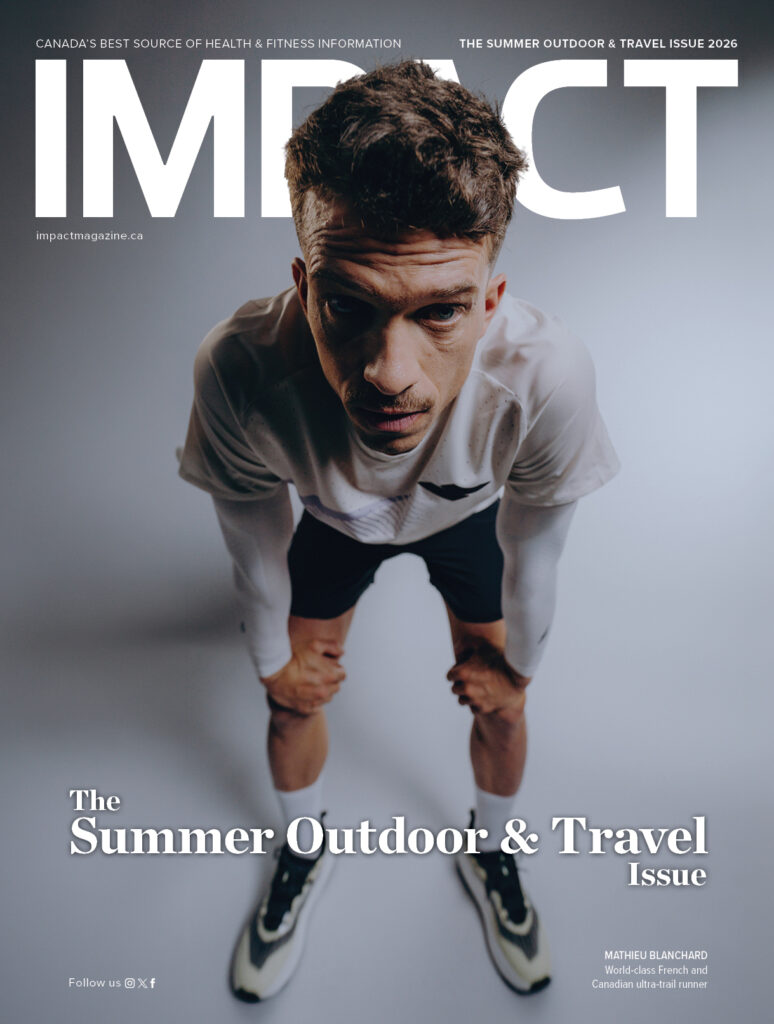
Read This Story in Our 2026 Summer & Outdoor Issue
Canada’s best source of health & fitness information — IMPACT Magazine’s 2026 Summer Outdoor Travel Issue: trail running, outdoor travel, workouts and seasonal recipes.
Featuring world-class French-Canadian ultra-trail runner Mathieu Blanchard, this digital edition takes you coast to coast through Canada’s most unforgettable bucket-list hikes, trail-running tips, and race-day strategies. Build strength and balance with targeted summer workouts, master the taper, and find your footing on technical terrain. Plus enjoy seasonal grilling and plant-forward recipes — Grilled Mexican Corn, Hoisin Portobello Burgers with Chili Lemon Broccolini, Smoky Black Bean Quinoa Burgers — and more outdoor cooking inspiration for active travelers.