


For many runners, fatigue is part of the deal. It comes with the long miles, the early mornings, and the never-ending pursuit of personal bests. But for some—especially women—there’s a deeper issue quietly draining performance: iron deficiency.
Iron is essential for carrying oxygen to working muscles, yet up to 50 per cent of female endurance athletes are iron-deficient. And many women struggle with traditional forms of iron supplementation that cause constipation and gut aches, and often don’t work. Even those who eat a nutrient-rich diet can struggle to maintain optimal levels. Why? The answer lies not just in what we eat, but in what our bodies can absorb—and that’s where the story takes a surprising turn.
The Anti-Nutrient Problem
When you are an elite ultra-runner and nutrition-science nerd by necessity, you know the signs of low iron too well: heavy legs, shortness of breath, mental fog, and inability to recover from workouts. Despite a plant-forward diet and iron supplementation, my bloodwork told a different story. That disconnect led me down a research rabbit hole and what I discovered was something many athletes and even dietitians overlook: phytic acid.
Phytic acid, sometimes called phytate, is found in all plant foods but is highest in foods made from grains, legumes, nuts, and seeds, the cornerstone of many “clean” and plant-based diets. But while these foods are celebrated for their fibre, protein, and mineral content, phytic acid is what scientists call an “anti-nutrient.” It binds to minerals like iron, zinc, magnesium, calcium, and amino acids in the gut, preventing their absorption.
In simple terms: you might be eating iron-rich food, but phytic acid locks it away so your body can’t access it.
Phytase: The Key to Unlocking Nutrients
That’s where phytase comes in. Phytase is a naturally occurring enzyme that breaks down phytic acid, freeing up the minerals it’s bound to so your body can absorb them. It’s commonly found in sprouted or fermented foods but is otherwise limited in the typical Western diet. Simply put, humans don’t make enough phytase to break down all the phytic acid in their diets, which can lead to serious mineral deficiencies.
In animal nutrition, phytase is widely used to improve mineral absorption in livestock. But in humans, especially athletes, its potential is just beginning to gain global attention as organizations like Sight and Life and the Gates Foundation are beginning to look at adding it to staple foods to improve micronutrient deficiencies in populations that rely heavily on plant-based foods.
Studies have shown that supplementing with phytase or consuming foods treated with phytase can increase the bioavailability of non-heme iron—the form found in plants—by up to 150 per cent. For runners who rely heavily on whole plant foods, this could be a game-changer.
The Iron Link in Performance
Iron deficiency doesn’t just cause fatigue and burnout, it affects everything from VO₂ max to cognitive focus. Without enough iron, the body can’t produce hemoglobin efficiently, which means less oxygen gets to your muscles. For endurance athletes, that’s a direct hit to performance.
As research continued, experimenting with adding more sprouted foods to the diet and eventually supplementing with a simple phytase product produced undeniable results: more stable iron levels, faster recovery, and far less heavy-leg fatigue after training.
Practical Takeaways for Runners
While phytase isn’t yet a household name in sports nutrition, it’s quickly becoming a tool worth watching, especially for runners who consume staple foods like pasta, rice, bread, cereal, oatmeal, nuts and nut butters, and legumes. Here are some science-backed ways to support better iron absorption:
- Pair iron-rich foods with vitamin C (like bell peppers or citrus) to enhance absorption
- Limit tea and coffee near meals—they contain polyphenols that inhibit iron uptake
- Soak, sprout, or ferment grains and legumes to reduce phytic acid
- Consider phytase supplementation, especially if you rely on plant-based iron sources
For runners like me, the science of enzymes has turned into a secret weapon in the fight for better performance and recovery. Because sometimes, it’s not about adding more miles, it’s about unlocking more from what you’re already eating.
You may also like: Eating for the Environment
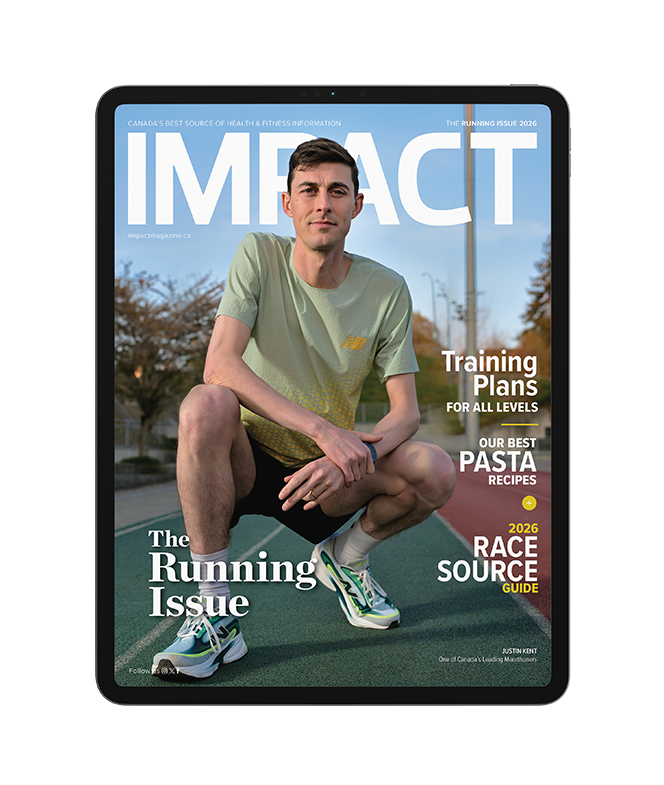
Read This Story in Our 2026 Running Issue
IMPACT Magazine Running Issue 2026 features a rising marathoner quickly climbing the ranks. Discover and travel to your next favourite marathon, prepare for your next big event with expert training plans, and dive into strength workouts and runner-focused articles. Plus, enjoy delicious pasta recipes and so much more.
This just scratches the surface of what you’ll find in this issue, so dive into the DIGITAL EDITION and be empowered for a fantastic 2026!