


Mobility isn’t just for elite athletes—it’s for everyone. Whether you’re chasing peak performance, recovering from injury, or simply aiming to age well, mobility training is the foundation of a durable, capable body. At The Ready State, we believe everyone—regardless of age, sport, or physical capacity— deserves access to tools that improve movement and reduce pain.
Let’s break down what mobility training really is, why it’s essential, and how you can start integrating it into your routine—because moving well isn’t optional if you want to thrive.
UNDERSTANDING MOBILITY TRAINING
Mobility training is a structured approach to improving the way your body moves. Unlike traditional stretching routines, mobility training incorporates active movement, strength, stability, and control within a full range of motion. Whether you’re an athlete, a weekend warrior, or someone looking to improve everyday movement, mobility training helps enhance joint health, reduce pain, and optimize performance.
At its core, mobility training ensures that your body can access and maintain functional ranges of motion under control. This is crucial not only for injury prevention but also for maximizing movement efficiency in both athletic and daily life activities.
WHAT DOES MOBILITY TRAINING INVOLVE?
Mobility training is more than just stretching—it’s about preparing your body to move well. A comprehensive mobility practice includes:
• Active Range of Motion (AROM) Drills: Engaging muscles to control movement through a full range of motion (e.g., deep squats, controlled shoulder rotations).
• Joint Mobilization Exercises: Movements that help improve joint articulation and synovial fluid circulation, like wrist circles or hip CARs (Controlled Articular Rotations).
• Soft Tissue Work: Using tools like foam rollers, lacrosse balls, or massage guns to break up adhesions and improve tissue quality.
• Isometric Strength Training: Holding positions at the end range of motion to develop strength in vulnerable positions (e.g. loaded stretching for hamstrings or hip flexors).
• Dynamic Stretching: Controlled movements that lengthen muscles while keeping them engaged, such as thoracic rotations.
By combining these elements, mobility training helps create a resilient, adaptable body ready to handle the stresses of sports, exercise, and daily movement (are we thriving yet? That’s the goal!).
HOW IS MOBILITY TRAINING DIFFERENT FROM STRETCHING?
Many people confuse mobility training with stretching, but they serve distinct purposes. Traditional static stretching involves passively holding a position to lengthen muscles, while mobility training actively engages muscles to improve movement quality.
Static Stretching
• Passive muscle elongation
• Primarily increases flexibility
• Limited impact on movement mechanics
• Can be useful post-exercise for relaxation
Mobility Training
• Focuses on active movement and control
• Enhances strength and joint function
• Improves movement patterns and stability
• Supports athletic performance and injury prevention
WHO CAN BENEFIT FROM MOBILITY TRAINING?
The short answer? Everyone.
Mobility training isn’t just for athletes—it’s for anyone looking to move better, feel better, and prevent injuries (is that YOU?).
Some key groups who benefit include:
• Athletes: Improved movement efficiency, reduced injury risk, and enhanced performance.
• Active Individuals: Better movement for activities like running, lifting, and recreational sports.
• Office Workers: Counteracts the negative effects of prolonged sitting by improving posture and joint mobility.
• Aging Populations: Maintains functional independence and reduces stiffness as we age.
• Rehabilitation and Injury Recovery: Helps restore movement patterns post-injury and prevents compensatory movement issues.
KEY COMPONENTS OF MOBILITY TRAINING
A well-rounded mobility training program should focus on the following components:
• Joint Articulation – Ensuring that joints can move freely within their full range.
• Soft Tissue Quality – Reducing adhesions and improving muscle elasticity with self-myofascial release techniques.
• Active Control – Strengthening end-range positions to reinforce stability and movement competency.
• Movement Integration – Applying mobility gains to real-life movements like squatting, lunging, and overhead reaching.
HOW DOES MOBILITY TRAINING AFFECT DAILY ACTIVITIES?
Mobility training isn’t just about improving sports performance— it has a direct impact on everyday life:
• Reduces Pain and Stiffness: Addresses common issues like lower back pain, tight hips, and poor posture.
• Enhances Posture and Ergonomics: Helps counteract the effects of prolonged sitting and screen time.
• Improves Strength and Stability: Ensures you can perform everyday activities (e.g., bending, lifting, reaching) safely and efficiently.
• Increases Movement Confidence: Makes exercise and daily movement feel easier and more natural.
Mobility training is an essential practice for optimizing movement, reducing pain, and improving overall physical resilience. Whether you’re an athlete or just looking to move better in daily life, incorporating functional mobility training into your routine will pay long-term dividends.
This article has been reprinted with permission from www.thesteadystate.com.
You may also like: Switching from Stretching to Mobilization
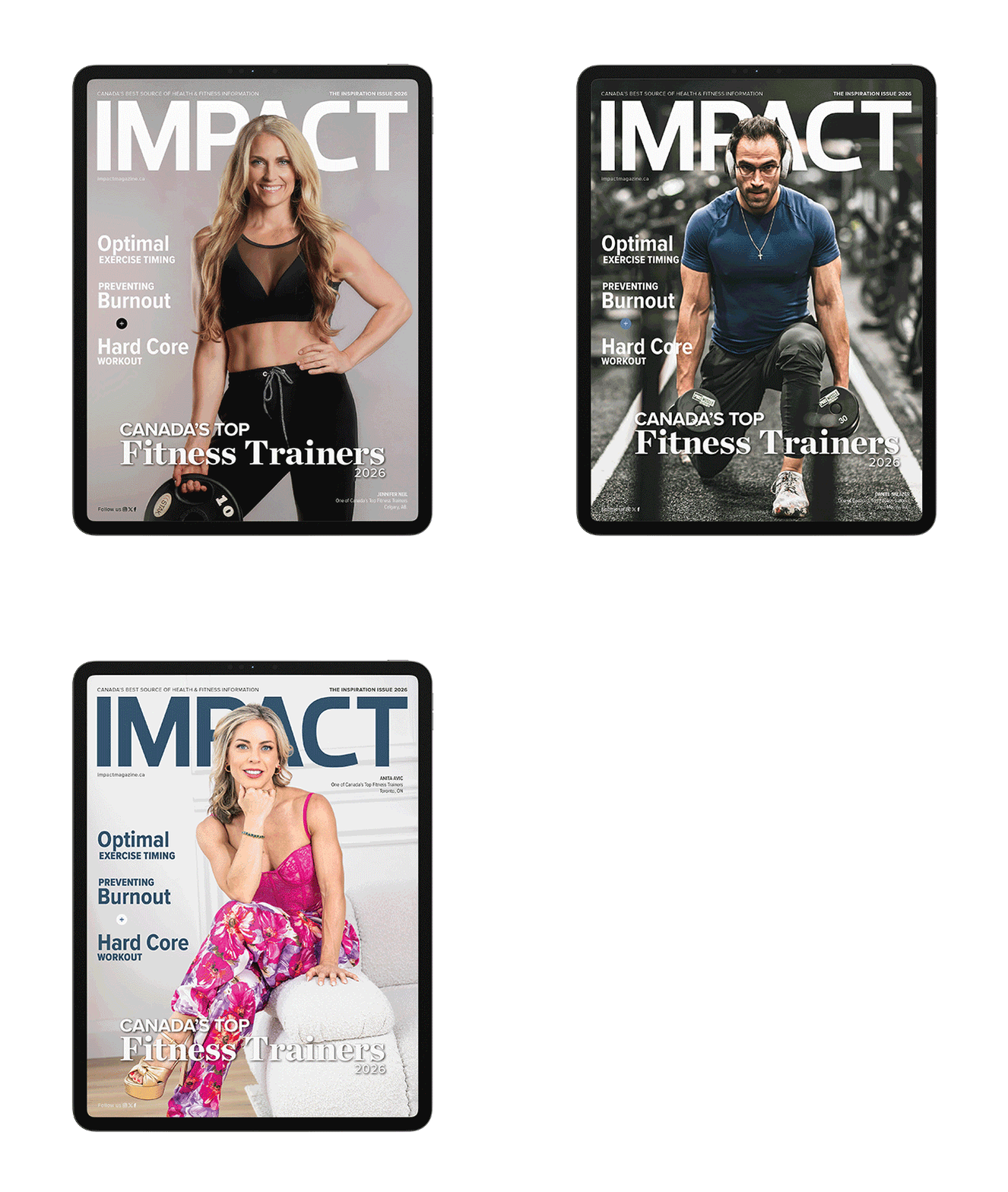
Read This Story in Our 2026 Inspiration Issue
IMPACT Magazine Inspiration Issue 2026
Meet 36 outstanding recipients of Canada’s Top Fitness Trainers, Class of 2026 in this highly anticipated issue!
Plus, when is the optimal time to workout, Mobilize your Training, AI Tools for Better Health, Strong Boned for Life, Prevent Burnout, The Anywhere Dumbbell Workout, Hard-Core Explore workout. Some amazing recipes, Easy Mixed Vegetable Samosas, Sambal Goreng, Citrus Cake and more!
This just scratches the surface of what you’ll find in this issue, so dive into the DIGITAL EDITION and be empowered for a fantastic 2026!