
Bone health is something many people do not think about—until it becomes a problem. Yet osteoporosis affects more than 2.3 million Canadians, and women account for nearly 80 per cent of diagnosed cases. While bone loss is a natural part of aging, especially after menopause, the way we eat and live each day plays a powerful role in how strong and resilient our bones remain as we age.
Healthy bones are what allow us to keep doing what we love—walking, traveling, lifting, dancing, and staying engaged in an active, fulfilling life as we get older.
The encouraging news? Bone health is not built overnight—but it is built daily. Nutrition, movement, and lifestyle habits can meaningfully slow bone loss, reduce fracture risk, and support long-term independence.
WHY BONE LOSS ACCELERATES WITH AGE
Most people reach their peak bone mass by age 30, which means the habits we build early in life matter. However, bone loss typically begins in our mid-30s for both men and women. For women, the rate of bone loss accelerates significantly during perimenopause and menopause, when estrogen levels decline.
Estrogen plays a vital role in bone remodeling—a constant process where old bone is broken down and new bone is built. As estrogen drops, bone breakdown begins to outpace bone formation. Women can lose two to three per cent of bone mass per year during the menopausal transition, with the most rapid decline occurring in the first decade after menopause.
This matters because fractures are not minor events. Research shows that 22 per cent of women and 33 per cent of men who experience a hip fracture die within a year, highlighting why prevention is so important.
NUTRITION: THE FOUNDATION OF STRONG, RESILIENT BONES
Bone is living tissue, and it requires consistent nourishment to stay strong. Several nutrients work together to build and maintain bone—and plant-based diets can provide all of them when thoughtfully planned.
1. Calcium
Gives bones their structure and strength. Plant-based calcium sources include:
• Fortified plant milks and yogurts
• Calcium-set tofu
• Sesame seeds and tahini
• Chia seeds
• Almonds
• Beans and lentils
• Low-oxalate leafy greens such as kale, bok choy, and collard greens
• Figs
Calcium is best absorbed in smaller amounts (about 500–600 mg at a time), spread throughout the day and consumed with meals. Vitamin D helps improve calcium absorption, which is why consistency matters more than large single doses.
2. Vitamin D
Helps the body absorb calcium and plays a direct role in bone metabolism. While sunlight is a source, many Canadians are deficient—especially in winter months.
Plant-based sources include:
• Fortified plant milks
• Fortified cereals
• Mushrooms exposed to UV light
Supplementation is often necessary, and many experts recommend 2,000 IU daily, particularly for older adults.
3. Protein
Provides the framework that minerals bind to in bone. Adequate protein intake also helps preserve muscle, which reduces fall risk.
Plant-based protein sources include:
• Tofu and tempeh
• Lentils and beans
• Chickpeas
• Edamame
• Quinoa
• Nuts and seeds
Aim for protein evenly distributed across meals rather than concentrated in one sitting.
4. Magnesium and Vitamin K
Magnesium supports bone structure and helps regulate calcium balance, while vitamin K activates proteins involved in bone formation.
Plant-based sources include:
• Magnesium: pumpkin seeds, almonds, cashews, whole grains, legumes, leafy greens
• Vitamin K: kale, spinach, broccoli, Brussels sprouts, cabbage, and fermented foods like natto
GUT HEALTH: THE UNSUNG HERO OF BONE STRENGTH
Strong bones do not just depend on what you eat—they depend on what your body can absorb. A healthy gut plays a critical role in the absorption of calcium, magnesium, and vitamin K, all of which are essential for bone strength. When digestion is compromised or inflammation is high, even a nutrient-rich diet may not fully support bone health.
Fibre-rich plant foods feed beneficial gut bacteria, helping reduce inflammation and improve mineral absorption. Just as important are probiotic-rich foods, which support a diverse and resilient gut microbiome. Plant-based probiotic options include sauerkraut, kimchi, miso, tempeh, and fermented vegetables.
For strong bones and a strong gut, include a variety of:
• Vegetables and fruits
• Beans and lentils
• Whole grains
• Nuts and seeds
• Fermented plant foods
A healthy gut doesn’t just support digestion—it helps ensure the nutrients you eat actually reach your bones.
MOVEMENT MATTERS: BONES NEED STRESS TO STAY STRONG
Bones respond to physical stress by becoming stronger. This makes weight-bearing and resistance exercise essential. Bone-supportive movement includes:
• Strength training 2–3 times per week
• Walking, hiking, dancing, tennis, and stair climbing
• Balance-focused activities such as yoga or Pilates to reduce fall risk
Movement doesn’t need to be extreme—consistency matters more than intensity.
LIFESTYLE HABITS THAT PROTECT BONE HEALTH
Beyond food and exercise, these everyday habits also influence bone density:
• Avoid smoking
• Limit alcohol and excessive caffeine
• Prioritize sleep for hormone balance and tissue repair
• Manage stress, as chronically elevated cortisol can weaken bones
• Stay hydrated—bone tissue is metabolically active and needs fluid
THE TAKEAWAY
Bone health is not about quick fixes or focusing on a single nutrient—it’s about the small, consistent choices you make every day. How you eat, move, rest, and manage stress all shape the strength of your bones over time. With a well-planned plant-based diet, regular weight-bearing movement, and supportive lifestyle habits, it is possible to age with stronger bones, reduced fracture risk, and the confidence to stay active, mobile, and independent for years to come.
You may also like: Dietary Diversity and Overeating
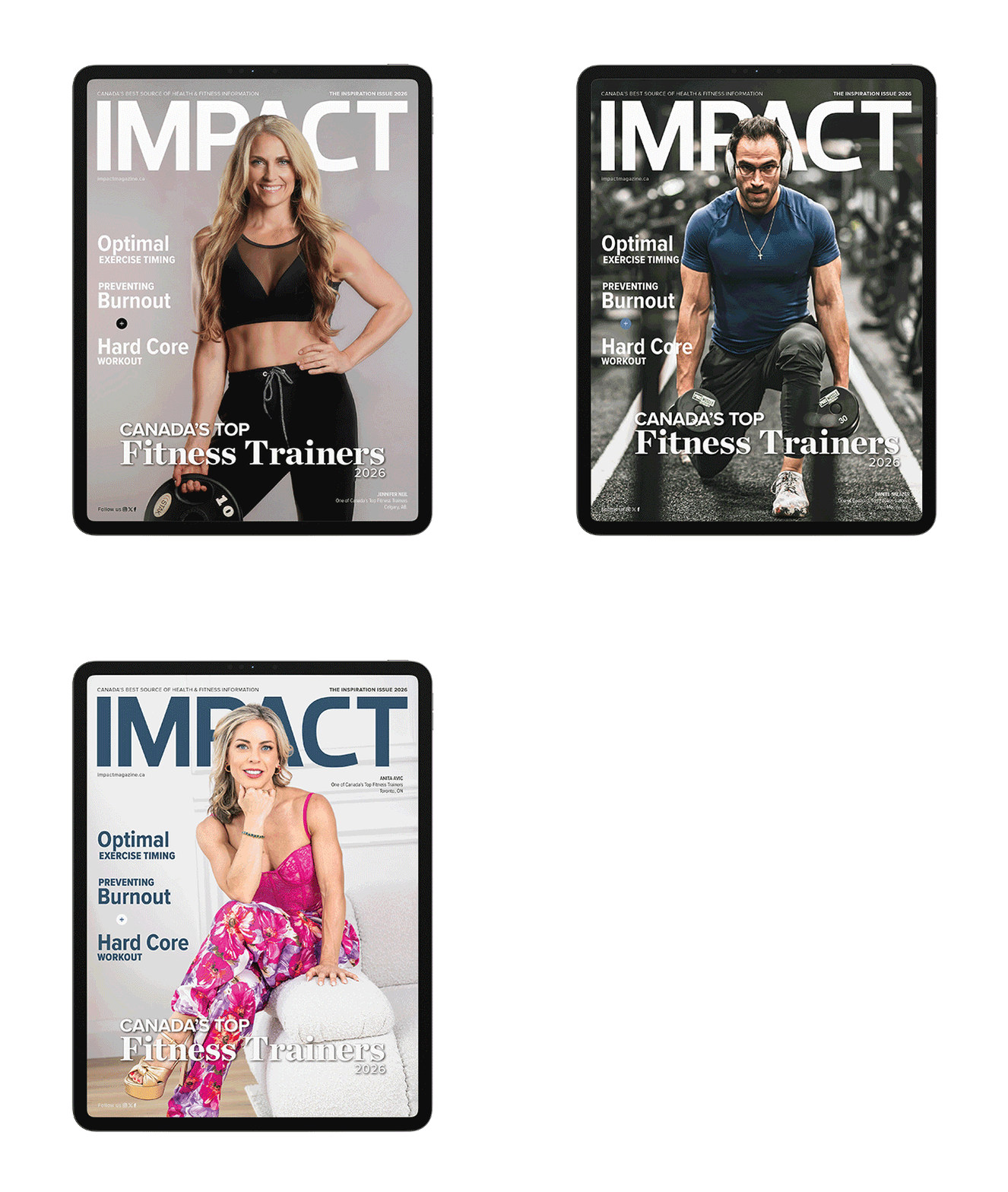
Read This Story in Our 2026 Inspiration Issue
IMPACT Magazine Inspiration Issue 2026
Meet 36 outstanding recipients of Canada’s Top Fitness Trainers, Class of 2026 in this highly anticipated issue!
Plus, when is the optimal time to workout, Mobilize your Training, AI Tools for Better Health, Strong Boned for Life, Prevent Burnout, The Anywhere Dumbbell Workout, Hard-Core Explore workout. Some amazing recipes, Easy Mixed Vegetable Samosas, Sambal Goreng, Citrus Cake and more!
This just scratches the surface of what you’ll find in this issue, so dive into the DIGITAL EDITION and be empowered for a fantastic 2026!