
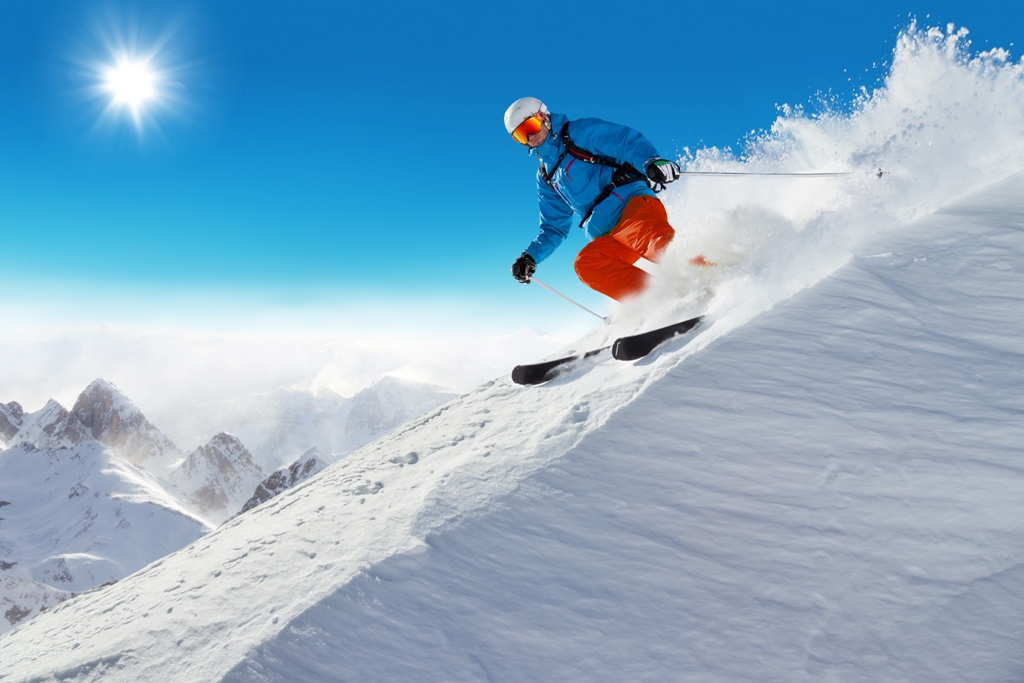
As winter approaches, anticipation rises with the promise of fresh powder, crisp mountain air, and the familiar rush of carving down the slopes. But behind every smooth turn and confident descent lies an essential—if less glamorous—element of the sport: proper physical preparation. Skiing is a dynamic, full-body pursuit that demands strength, power, mobility, coordination, and endurance. The forces generated on the mountain place particular stress on key muscle groups, including the hips, glutes, quadriceps, hamstrings, and core stabilisers.
Well-conditioned hips and glutes support strong edging and help prevent the inward knee collapse that can throw a skier off balance. Powerful quadriceps and hamstrings are crucial for maintaining a stable ski stance, absorbing shock, protecting the joints, and controlling speed. A strong core keeps skiers centred over their skis, even in unpredictable snow or challenging terrain.
Early-season conditioning isn’t just about performance—it’s a cornerstone of injury prevention. Skiing places significant strain on the knee joint and its supporting ligaments, particularly the ACL, making knee injuries some of the most common on the mountain. Many of these issues stem from inadequate muscular endurance. When the body doesn’t have the required strength, the knees end up absorbing forces they aren’t ready to handle. Strengthening the muscles that support ski-specific movements helps distribute load more effectively and reduces unnecessary stress on joints and connective tissues.
The good news? Pre-season training doesn’t have to be complicated. Even short, consistent sessions focused on the right muscle groups can deliver impressive benefits.
And one final tip: don’t abandon your strength routine once the lifts start spinning. Continuing your training throughout the season is one of the best ways to stay strong and ski better.
Essential Ski-Season Exercises
1. Squat
3 sets × 8 reps, 1-minute rest between sets
A foundational strength exercise targeting the quadriceps and glutes. These muscles take on significant load during downhill skiing—especially the quadriceps of the outside leg as you initiate and hold a turn.
- Start with feet shoulder-width apart.
- Bend your knees to lower into the squat as far as your range of motion allows, then push back up to standing.
- Make sure your knees track over your feet—if they wobble, engage your glutes to stabilise.
- Keep your pelvis in a neutral position throughout the movement.
2. Split Squat
3 sets × 8 reps, 1-minute rest between sets
This single-leg variation builds quad strength while also improving balance and hip stability. It’s excellent for training the control needed for dynamic weight shifts on the slopes.
- Start with one foot in front of the other, about hip-width apart.
- Lower your back knee toward the floor until both legs form roughly 90° angles.
- Push through your front foot to return to standing.
- If you’re wobbling, pick a spot to focus on or stay close to a wall for extra support.
3. Dead Bug
3 sets × 8 reps, 1-minute rest between sets
A highly effective core activation exercise that reinforces the stability and posture required for maintaining a strong, centred position over your skis.
- Lie on your back with your arms extended toward the ceiling and legs bent at 90°.
- Lower your opposite arm and leg until they hover just above the ground, then return to the starting position.
- Repeat on the other side.
- Keep your lower back pressed into the mat throughout the movement.
4. Side-Lying Adduction
3 sets × 8 reps, 1-minute rest between sets
This movement targets the adductors—the inner-thigh muscles heavily engaged in skiing. Strong adductors contribute to a solid ski stance and assist in stabilising the knee during edging and turning.
- Lie on your side with your hips stacked.
- Bring your top leg slightly forward with your foot on the ground.
- Lift your bottom leg toward the ceiling, keeping your pelvis and trunk stable.
- Use your hand for balance if needed.
5. Hamstring Curl
3 sets × 8 reps, 1-minute rest between sets
Designed to strengthen the hamstrings, which play a key role in knee stability. Balanced strength between the quadriceps and hamstrings is essential and can help reduce the risk of ACL-related injuries.
- Lie on your back with your feet resting on an exercise ball and legs extended.
- Press your heels into the ball and roll it toward your glutes.
- To make it more challenging, lift your hips into a bridge position.
- Keep your arms by your sides, pressing into the floor for stability.
Optional Training Variation
For an added challenge, alternate 8 reps of squats with 8 reps of split squats before taking your 1-minute rest. This continuous cycle increases quadriceps endurance. Repeat for 3 rounds.
You may also like: From Levers to Lattices

Read This Story in Our 2025 Holiday Gift Guide Edition
IMPACT Magazine’s 2025 Holiday Gift Guide Edition is packed with our most inspiring gift ideas yet! It’s curated for the health-minded, fitness-driven, wellness-focused and food-loving people in your life. From standout essentials to unexpected finds, everything you need to complete your list is right here. Plus, don’t miss our ‘Best of Holiday Recipes’ collection!