
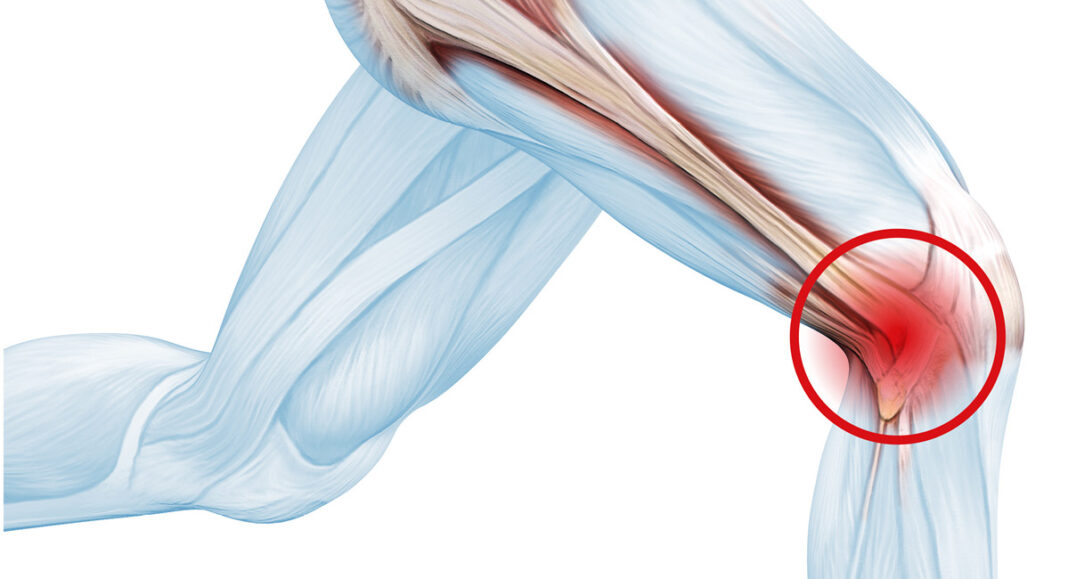
Occasional aches and pains are part of being a runner. But if you start experiencing an intense pain on the outside of your knee, a pain that initially occurs only while running but slowly creeps in during the day with stairs or sitting, you may be dealing with iliotibial band (ITB) pain.
The ITB is a thick piece of connective tissue running from your hip down the outside of the leg to the knee. ITB pain is one of the most prevalent overuse knee injuries in runners.
Myths of ITB pain:
- You must do painful rolling to treat it.
- Stretching is the best treatment.
- You must stop running to get rid of it.
- It’s caused by friction at the knee.
Why do runners get ITB pain?
Pain was once believed to result from friction, but since the ITB is firmly anchored to the outer knee bone, it is now thought to be caused by compression on the bony prominence (the lateral femoral epicondyle) and possibly by impingement of sensitive fat tissue.
Overuse injuries are usually a combination of factors, especially for runners:
- Training load – did you do too much too soon?
- Fuelling – are you eating and drinking enough for the amount of running you’re doing?
- Recovery – are you giving yourself enough rest, recovery, and cross-training for your body to keep pounding the pavement day after day?
- Preparation – was your body prepared to handle the load and demand you’re putting it through on your runs?
Recovery times can vary. Most people can recover within six to twelve weeks, but there will be some people who recover sooner and some who take longer.
What can you do to relieve your ITB pain?
Load management
Finding the sweet spot—relative rest. This means finding a level of running that doesn’t aggravate your symptoms.
- Reduce your running volume and duration.
- Try to reduce or limit back-to-back running days.
- Use cross-training and physio exercises on non-run days while symptoms reduce to minimize strength losses.
- Split your runs into run/walk intervals. The run portion should not push into pain, however. Discomfort can hover around 2/10 but should not spike.
Lower-limb training and preparation
Although research doesn’t specifically say strengthening will cure your ITB pain, it can be useful to prepare your body for the demands of running, and during the days off from running while symptoms reduce.
Try using hip abductor (side glute) strengthening exercises combined with other treatment strategies. Include glute med
and leg strengthening exercises three to four times a week such as:
- Side planks with hip abduction
- Hip thrusts
- Single leg Romanian deadlifts
- Single leg squats with support
Include plyometric exercises when running volume is reduced to keep the tendons and ankle complex springy. Try skipping for two minutes for a warm-up or pogo jumps for 2 x 30 seconds.
Stretching can temporarily help with symptoms but should be combined with other treatment strategies. Since the ITB is attached
to the upper hip muscles, that’s usually where the stretch is felt most.
Treatment
Pain relief is a big factor with ITB pain and manual therapy can help in the short term. To address acute symptoms, you can choose any manual therapy method that works for you. Excruciating foam rolling isn’t necessary if it doesn’t help. Massage, physiotherapy, or rolling are all options if they provide relief. Seeing a physiotherapist can help you determine the best exercises and volume for your ITB pain. When combined with training modifications and exercise, these treatments often yield the best results.
A myth about the ITB you may have heard is that you are trying to loosen it up by rolling and stretching. A stiff ITB is actually better for elastic energy storage needed for running, and that stiffness might actually help reduce your pain.
Running retraining
Changing running techniques and biomechanics may not help your pain. The key thing to remember about running technique is that you’re never taking away the impact, you’re just changing where the impact is going.
As a temporary way to reduce symptoms, you can try adopting a higher cadence while running. This encourages more of a forefoot strike which places more load on the ankle and calf, and less load on the knee where the symptoms are. Then you can gradually return to your regular running style.
Fuelling and recovery
Low energy availability (LEA) is a common condition runners may face which can have an impact on how the body reacts to the demand of running. It is important to discuss this with your family doctor and dietician.
Can you prevent ITB pain from happening in the first place?
Most injuries aren’t completely preventable, but you can use the same strategies to try to prepare your body for your runs. If your goal is longevity in your running, then it might be best to implement some of the strategies above and listen to some of the little aches and pains rather than always pushing through. One or two weeks of less running is much easier to handle than months of managing an injury.
You may also like: IT Band Exercises for Runners

Read This Story in Our 2025 Running Issue
IMPACT Magazine Running Issue 2025 featuring some incredible Canadian women ultrarunners who are on the rise on the world trail stage. Run your way around the world to earn your six star Abbott World Marathon Majors commemorative medal. Train for 10 km right up to a marathon – plus a 50 km trail run and 70.3 program. Strength workouts for runners, carb load with these pasta recipes and so much more.