

Travelling as an athlete can be exhilarating yet challenging, especially when maintaining optimal nutrition. Whether you’re jet-setting for competitions or simply exploring new training grounds, prioritizing your dietary needs is essential for peak performance. Here are four simple tips to help athletes master their travel nutrition game.
Plan Ahead: The Key to Success
Planning is the key to success and the cornerstone of adequate travel nutrition for athletes. Before embarking on your journey, take the time to research local eateries, grocery stores, and dining options that align with your nutritional goals.
Look for restaurants that offer a variety of nutrient-dense meals, and don’t hesitate to reach out to hotels or accommodations to inquire about special dietary requests. Take the time to make a handful of restaurant reservations and avoid wasting energy wandering around trying to find an open table.
Does your hotel offer an early breakfast on the morning of your event? If not, you may need to strategize Plan B.
Pack Your Snacks: Be Game Day Ready
Keep familiar foods in your diet. If you have found a routine that works for you, stick to it before your race. Do not introduce anything new the day of or even the days leading up to the competition. Keeping your body comfortable prevents any digestive issues that may arise.
Consider packing your favourite game day food items to be sure you save time searching a strange city for them. Portable options such as nuts, seeds, protein bars, and dried fruits can be lifesavers when healthy choices are limited
You may also want to prep your meals for a travel day to ensure you can access nutritious options, even in transit or during busy schedules.
Stay Hydrated: Water is Your Best Friend
Hydration is crucial for athletes, especially when travelling. Long flights, changes in climate, and intense training sessions can all contribute to dehydration, which can negatively impact performance and recovery.
Make it a priority to drink plenty of water throughout your journey. Invest in a reusable water bottle and carry it wherever you go. Opt for water over sugary beverages or alcohol, as these can dehydrate the body further.
If you’re travelling to a location with questionable water quality, consider bringing along a portable water purifier or purchasing bottled water from trusted sources.
Listen to Your Body and Adjust Accordingly
No two athletes are alike, and what works for one person may not work for another. Pay attention to your body’s cues and adjust your nutrition plan accordingly. If you feel sluggish or tired, consider whether you’re getting enough calories and nutrients to support your activity level.
If you travel to a different time zone, avoid missing meals and use certain foods to help reset your internal clock. Caffeine, particularly when taken early (at 8 a.m.), can help speed up resynchronization.
Meal timing is also one of the best shortcuts to adjust to a new time zone because feeding and fasting cycles are primary cues for your body.
Aim to eat every three to four waking hours. You may choose a snack or a meal depending on your appetite. Choose to eat a high-carbohydrate, low-fat meal before bed to enhance your ability to fall asleep and improve slow-wave sleep, which is helpful for athletes’ recovery.
Travelling for competitions can be exciting, but it’s important to keep poor travel nutrition from derailing months of training . Indulge in local cuisine and cultural delicacies, but be mindful about avoiding poorly cooked food, limiting fried food and limiting high-fibre food before your event.
Trust your instincts and honour your body’s needs to achieve optimal performance on and off the field, trails, or roads.
Mastering travel nutrition as an athlete can be simple.
By planning, packing your favourite food, staying hydrated, and listening to your body, you can fuel your adventures and crush your fitness goals wherever your travels take you. Consistency is critical, so prioritize healthy choices even when life takes you on the road.
Tips for Race-Ready Nutrition
The night before:
- Eat familiar foods.
- Focus on a slightly higher carbohydrate portion.
- Include simple, bland foods that you easily tolerate.
- Avoid high-fat foods.
- Limit high fibre foods. Many athletes prefer to limit vegetables the evening before an event to minimize race-day gastrointestinal issues.
The morning of:
- Don’t skip breakfast! Eat approximately three to four hours before your race.
- Choose high carbohydrate, low fat, low fibre and moderate protein foods.
- Include simple, bland foods that you know you easily tolerate. Think: oatmeal with banana.
Throughout the day/before your race:
- Depending on the timing of your event, you may need a more substantial snack if your race takes place more than four hours after your breakfast.
- Snack on foods consisting of simple carbohydrates one hour to 20 minutes before the race.
- Consider frequent, small snacks. Having multiple small portions keeps you feeling light and satiated. Think: a banana or simple granola bar.
You may also like: Race Day Fuelling
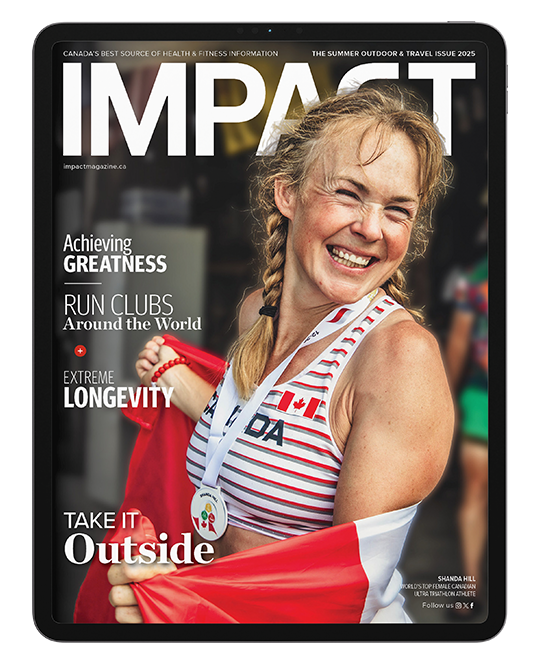
Read This Story in Our 2025 Summer Outdoor Travel Issue
IMPACT Magazine Summer Outdoor Travel Issue 2025 featuring Shanda Hill, a Canadian Ultra Triathlete who is redefining the sport. Run on some epic trails in our own backyard or join a run club. Eat your way for Mental Clarity, fueling while travelling, seasonal eating and some kitchen must haves. Become strong and fit in only 20 minutes a day, and enjoy some tasty drinks guilt free and so much more.