

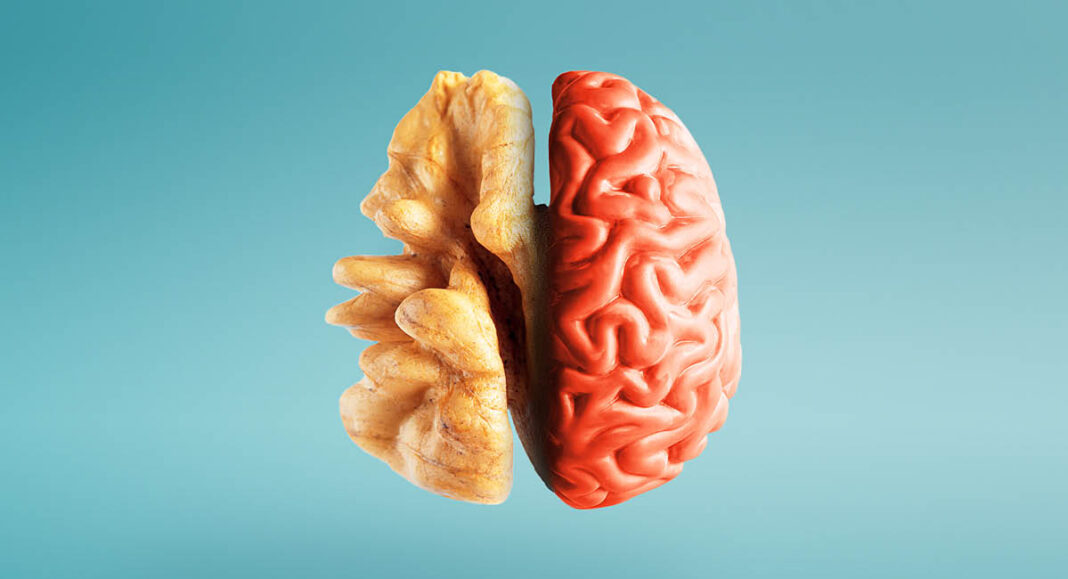
Let’s be honest—if you’re over the age of 40, you’ve likely had days where you walk into a room and completely forget why. Or you feel like your brain is running on overdrive. Or stress has you feeling anxious, scattered, and downright exhausted.
You’re not alone. In fact, 38 per cent of Canadians say they’ve felt stressed to the point where it had an impact on their daily life at least once, and 57 per cent say mental health is among the biggest health issues in the country. Overall, 66 per cent of women reported being stressed, compared to 58 per cent of men.
When it comes to feeling anxious, one in 10 Canadians have experienced high levels of anxiety and/or depression, and one in four Canadians will receive a lifetime diagnosis of anxiety.
As we move through our 40s and beyond, hormonal shifts for both men and women start to influence everything from sleep to mood to memory. Estrogen, for instance, plays a big role in brain function—so when it fluctuates, you might notice it in your clarity and focus.
Add in stress from juggling work, family, deadlines, caregiving—you name it—and your nervous system can get stuck in fight-or-flight mode, draining your mental energy. But the solution isn’t more coffee or pushing through.
It’s about nourishing your body and brain in a way that supports your changing needs, and there are things you can do to support your brain and bring back that mental spark.
The great news? Food is one of your most powerful allies.
The brain uses around 20 per cent of your daily energy—it’s a hungry, high-performance organ. It needs very specific nutrients
to function well, especially under stress.
Research shows:
- Omega-3 fats reduce inflammation and support brain cell communication.
- B vitamins help nervous system function and energy production.
- Magnesium helps quiet the nervous system and supports better sleep.
- Adaptogens (like ashwagandha and rhodiola) can help balance the stress response.
- A healthy gut microbiome helps regulate mood and brain health through the gut-brain connection.
What foods are best for mental clarity? Let’s dive into the top 10 foods for brain power and mental clarity.
1. Green, Leafy Vegetables
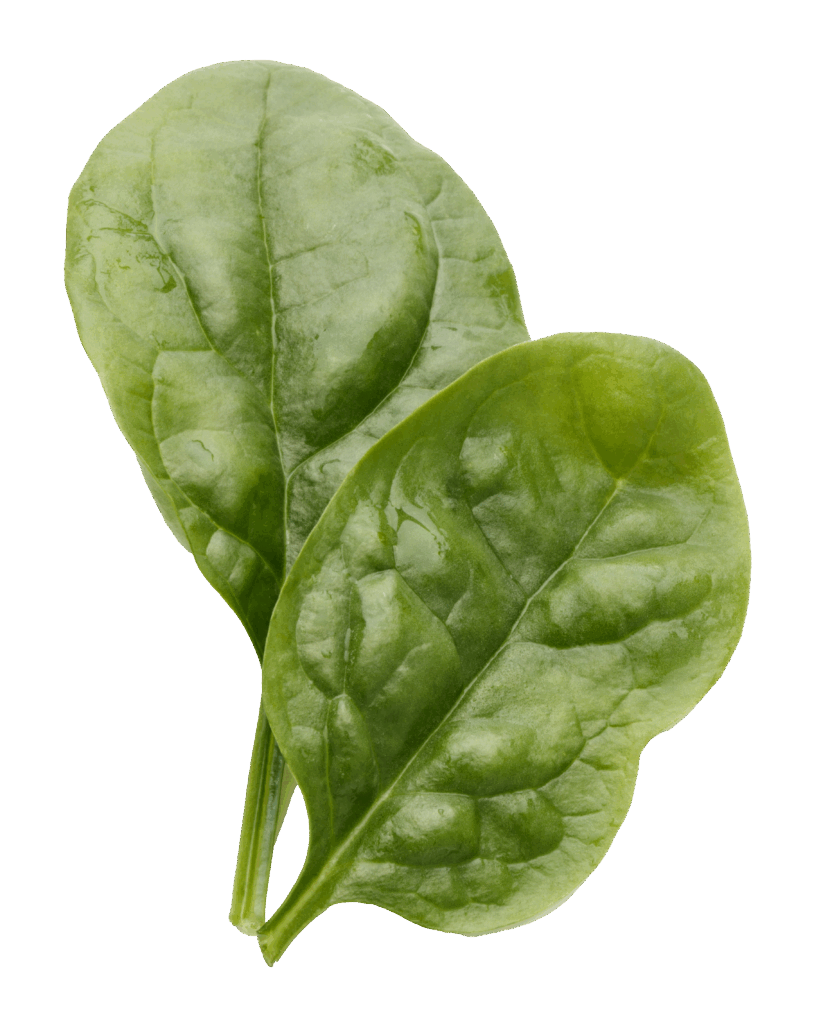
Leafy greens like kale, spinach, and broccoli are loaded with brain-boosting nutrients like vitamin K, lutein, and folate. These nutrients are key for slowing cognitive decline and promoting healthy brain function. Including these vegetables in your diet helps maintain mental clarity and may even delay age-related cognitive impairments.
2. Berries
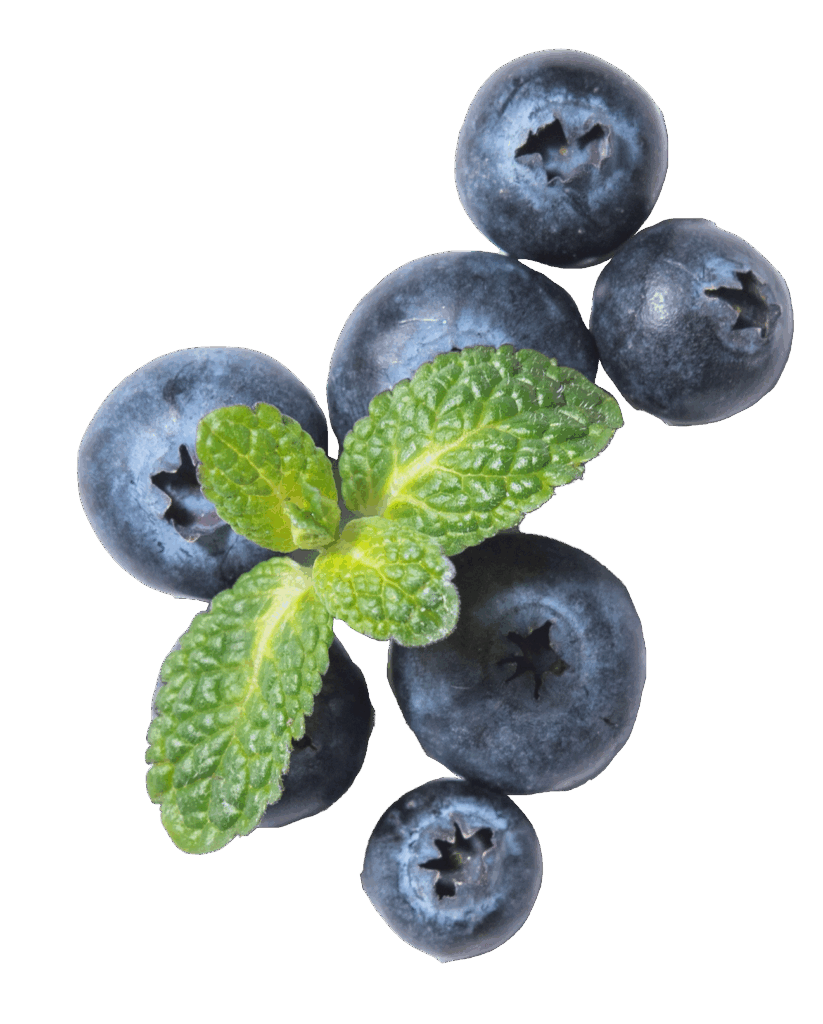
Berries, particularly blueberries, are rich in flavonoids and antioxidants, which have been shown to enhance memory and improve communication between brain cells. Research from Harvard found that women who consumed two or more servings of berries each week delayed memory decline by up to two and a half years. Add a handful of these vibrant fruits to your meals to keep your brain sharp.
3. Tea & Coffee
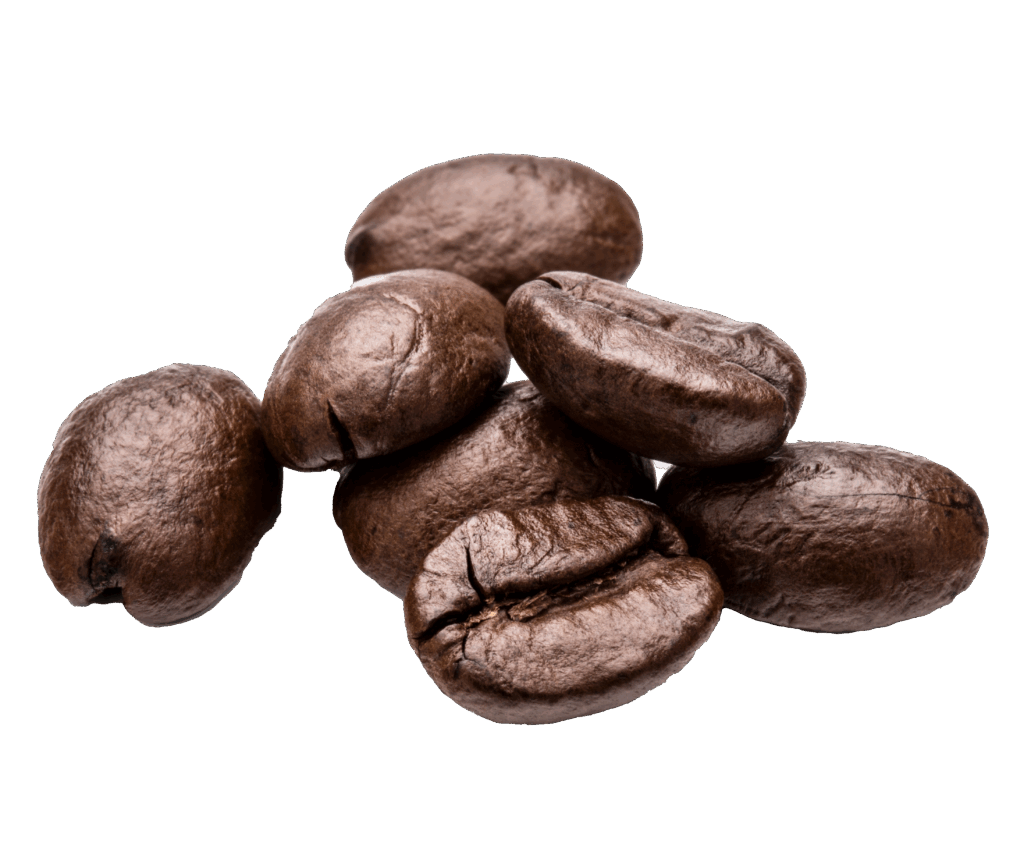
Leafy greens like kale, spinach, and broccoli are loaded with brain-boosting nutrients like vitamin K, lutein, and folate. These nutrients are key for slowing cognitive decline and promoting healthy brain function. Including these vegetables in your diet helps maintain mental clarity and may even delay age-related cognitive impairments.
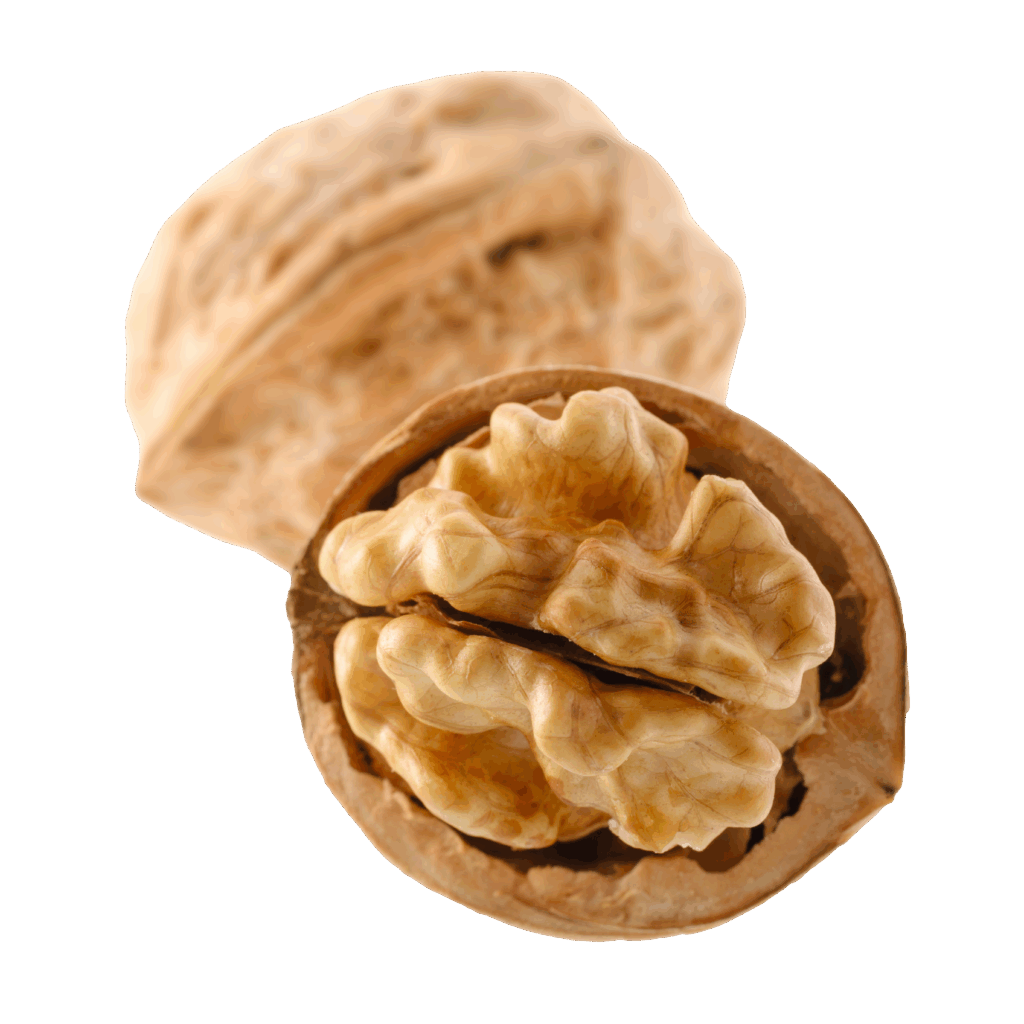
4. Walnuts
Walnuts are packed with omega-3 fatty acids, particularly alpha-linolenic acid (ALA), which plays a crucial role in cognitive health. Studies show that eating walnuts can improve cognitive test scores, particularly memory. They are also rich in antioxidants and healthy fats, which support brain function and help protect against cognitive decline.

5. Turmeric
The bright yellow spice turmeric contains curcumin, an antioxidant with the ability to cross the blood-brain barrier and directly benefit brain health. Curcumin has been shown to enhance memory, ease depression, and stimulate the growth of new brain cells. It’s also known for its anti-inflammatory properties, which may help slow age-related mental decline.
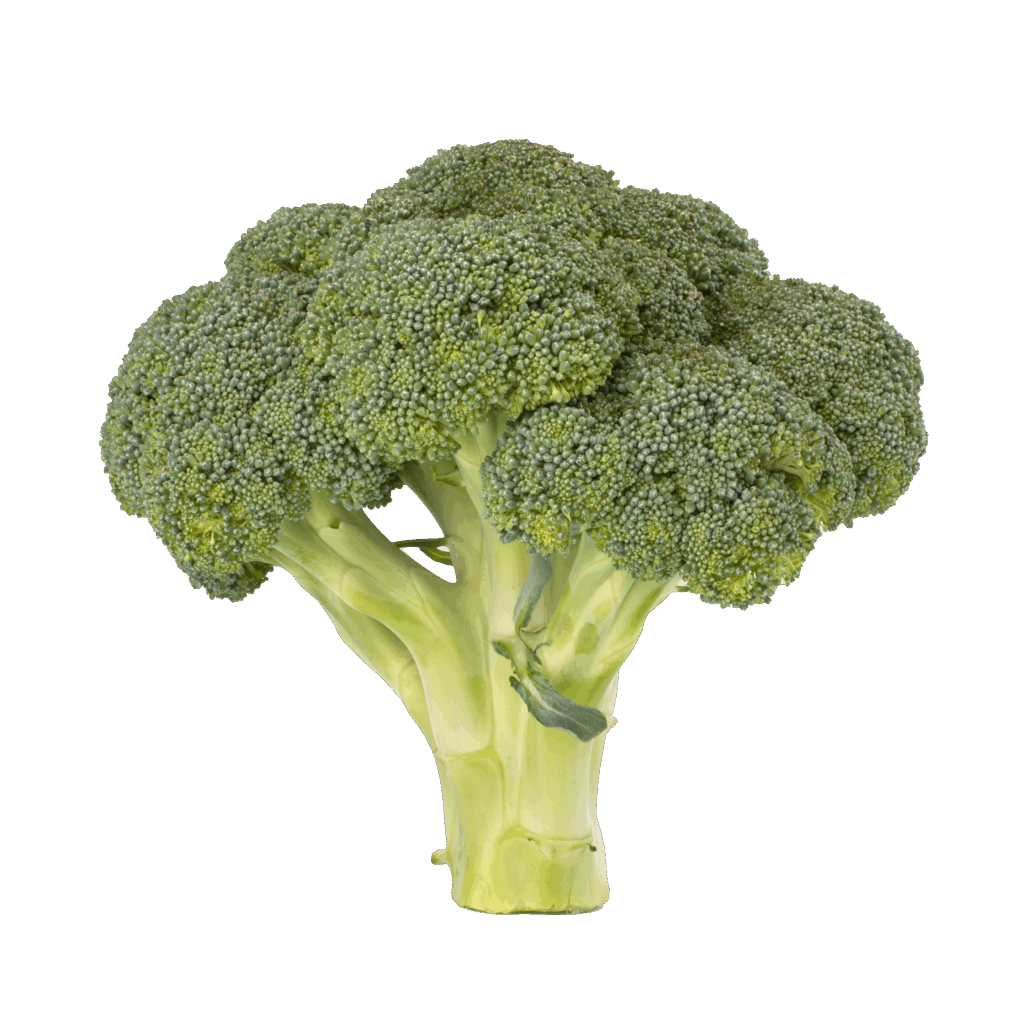
6. Broccoli
Packed with vitamin K and other antioxidants, broccoli helps protect the brain from oxidative stress and supports healthy cognitive function. The vitamin K in broccoli is essential for forming sphingolipids, a type of fat that’s densely packed in brain cells. Regular consumption can contribute to better memory and cognitive status.
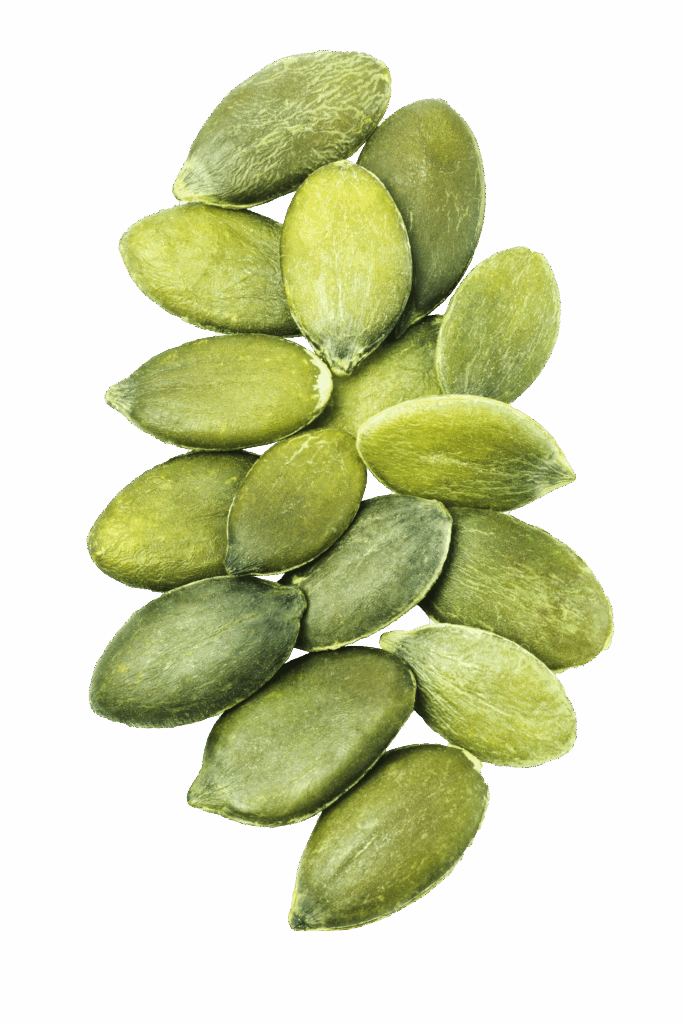
7. Pumpkin Seeds
Pumpkin seeds are rich in nutrients such as zinc, magnesium, and copper, all of which are vital for brain health. Zinc, for example, supports nerve signalling, and magnesium is essential for memory and learning. These nutrients protect the brain from neurodegenerative diseases and contribute to mental clarity.
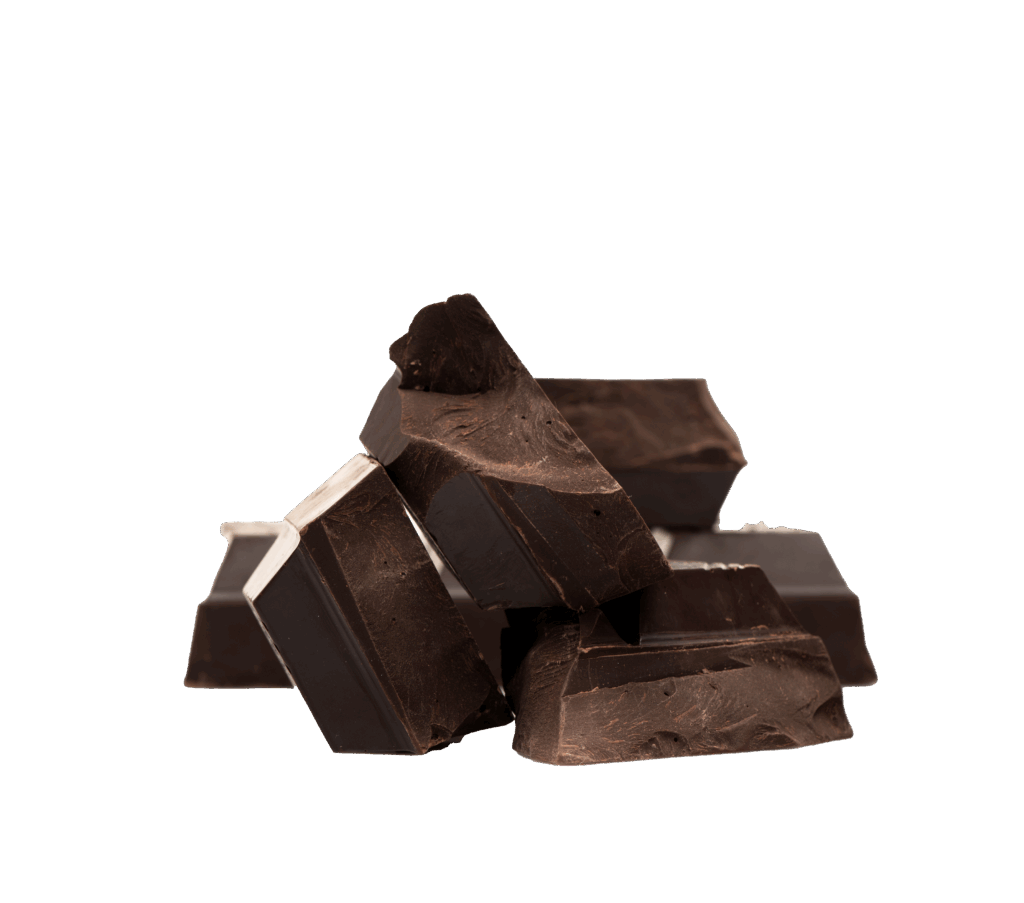
8. Dark Chocolate
Dark chocolate, especially with 70 per cent or more cocoa, is packed with flavonoids and antioxidants that help improve memory and mood. Research suggests that eating dark chocolate can enhance cognitive function and may even support gut health, which is closely linked to brain function. Plus, it has a prebiotic effect, improving emotional states via the gut-brain connection.

9. Green Tea
Green tea contains caffeine for a mental boost but also has L-theanine, an amino acid that promotes relaxation and reduces anxiety. The combination of these compounds can help improve focus and memory while reducing stress. Green tea is also rich in polyphenols, which protect the brain from mental decline and support long-term cognitive health.
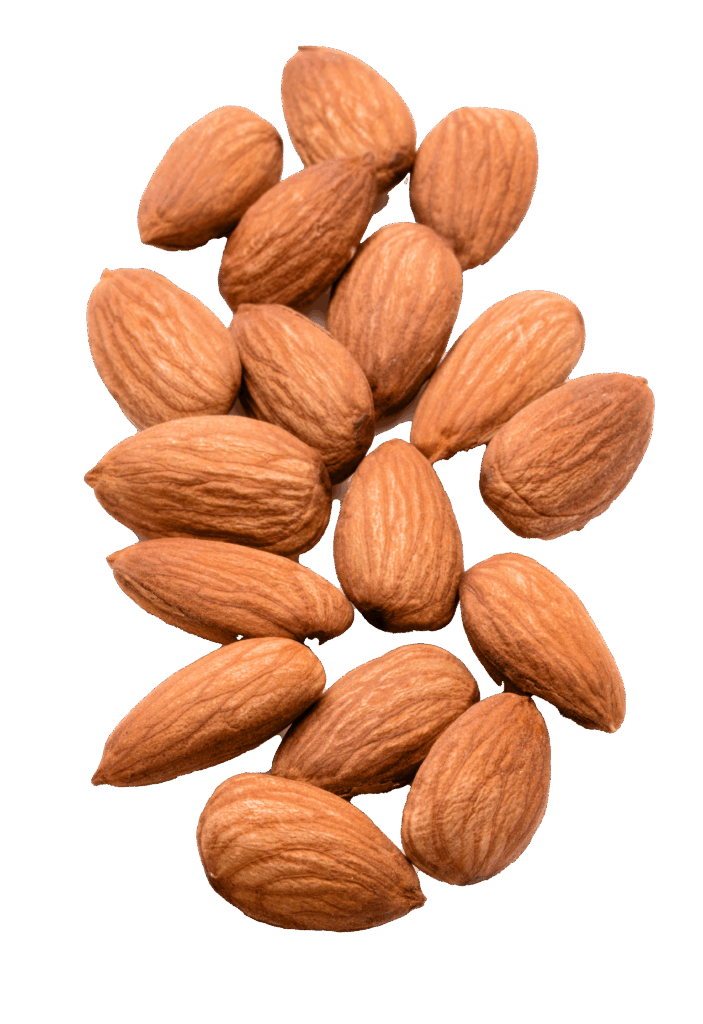
10. Nuts
Nuts are rich in healthy fats, antioxidants, and vitamin E, all of which support brain health. Vitamin E, in particular, protects brain cells from oxidative damage and may help slow the progression of cognitive decline. Walnuts, in particular, offer an extra boost thanks to their omega-3 fatty acids, which are known for their anti-inflammatory properties and cognitive benefits.
Brain fog, anxiety, and stress don’t have to be your new normal. Your 40s and beyond can be a time of incredible clarity and confidence—with the right support, food choices and healthy lifestyle habits.
You may also like: Why Running Is Good For Your Mental Health
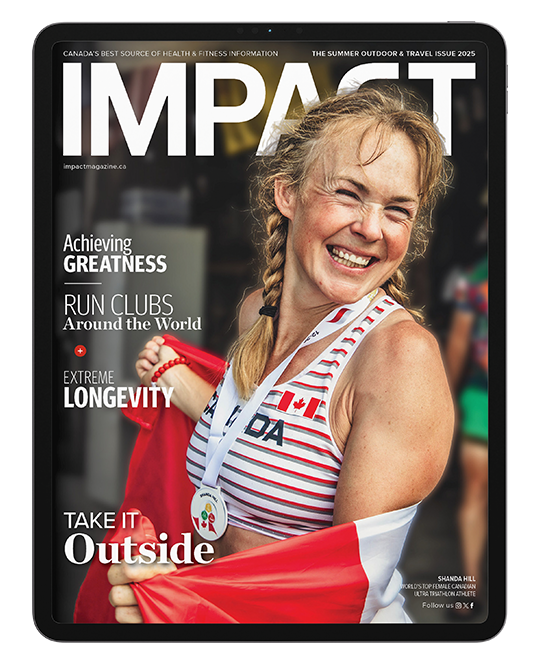
Read This Story in Our 2025 Summer Outdoor Travel Issue
IMPACT Magazine Summer Outdoor Travel Issue 2025 featuring Shanda Hill, a Canadian Ultra Triathlete who is redefining the sport. Run on some epic trails in our own backyard or join a run club. Eat your way for Mental Clarity, fueling while travelling, seasonal eating and some kitchen must haves. Become strong and fit in only 20 minutes a day, and enjoy some tasty drinks guilt free and so much more.