
There’s a quiet kind of magic that happens when we begin to eat with the seasons. It’s not just about food—it’s about relationships. A relationship with the land, with the growers, with the cycles of nature, and with our own bodies. It’s about slowing down enough to notice what’s naturally being offered and letting that guide what nourishes us.
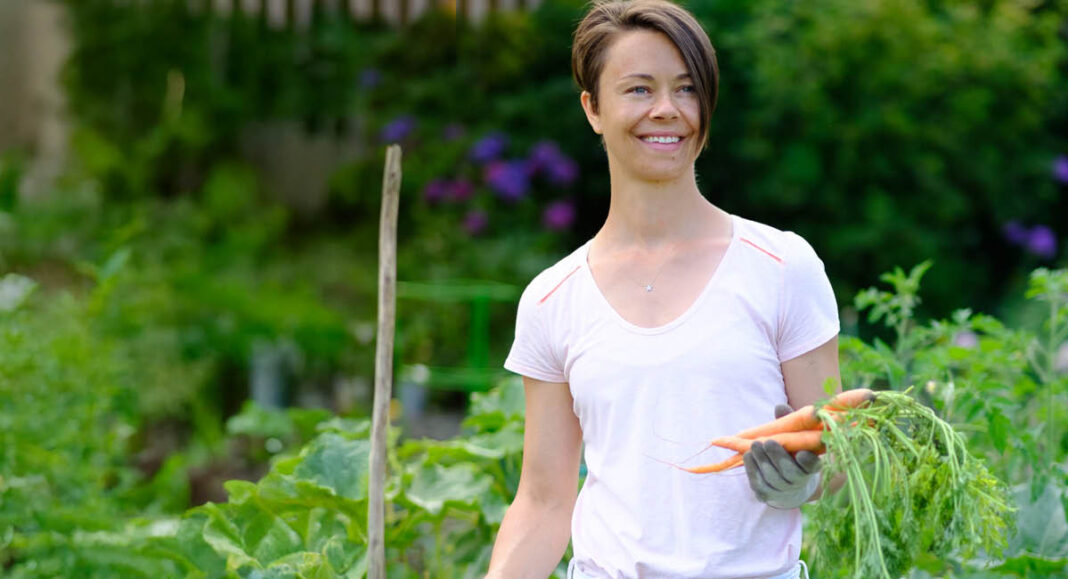
As summer unfolds, nature is in her full expression—abundant, alive, generous. Her gardens, orchards, and wild places are full of colour and vitality. Eating seasonally at this time of year is less of a strategy and more of a celebration. And whether you’re growing your own, visiting your local farmers’ market, or simply choosing what’s fresh and local at the store, you’re part of that celebration too.
Why Seasonal Eating Matters
Nature doesn’t offer everything all the time, and that’s part of her wisdom. She gives us what we need, when we need it—cooling foods in the heat, grounding ones as we move into colder months, bitter greens when it’s time to clear and renew.
Eating this way helps us return to a natural rhythm that supports not only our physical health, but our deeper sense
of connection. It is a way of remembering that we are not separate from nature, but an expression of it.
Benefits of Seasonal Eating
Nutrient Density: Seasonal produce is harvested at its peak, which means it’s more flavourful and often more nutrient-rich. The sun-ripened tomato or freshly picked peach offers something no imported, early-harvested version can replicate.
Freshness and Taste: Foods that are in season taste better. They carry the essence of the season they grew in—the warmth
of summer, the coolness of spring, the richness of autumn.
Affordability: When fruits and vegetables are in abundance, they are typically less expensive. Eating with the seasons is not only nourishing but also economical.
Sustainability: Seasonal foods are often grown closer to home, reducing the environmental impact of long-distance transportation and storage.
Energetic Balance: The qualities of seasonal foods naturally support the body in its response to the climate—cooling foods in summer, warming foods in winter. This alignment fosters balance and resilience.
What’s in Season in the Summer
Summer foods are vibrant, juicy, and full of life. They support hydration, lightness, and energy—perfect for these long, sun-filled days. Below are some of the gifts most commonly in season across North America during the summer months:
This is the season for crisp salads, lightly grilled veggies, juicy fruit plates, and refreshing herbal infusions. Keep meals simple, fresh, and colourful. Let your senses lead the way.
Summer Fruits
Strawberries
Blueberries
Raspberries
Cherries
Peaches, nectarines, apricots
Plums
Melons (watermelon, cantaloupe, honeydew)
Grapes
Figs
Tomatoes
Summer Vegetables
Cucumbers
Zucchini and summer squash
Bell peppers
Eggplant
Corn
Green beans
Fresh greens
(lettuce, arugula, romaine)
Fresh herbs
(basil, dill, cilantro, parsley, mint)
Year-Round Staples
There are a few foods that seem to transcend the seasons and are often available year-round—especially in warmer climates or through ethical sourcing. They can still play a beautiful role in a seasonal kitchen:
Mushrooms
Bananas & plantains
Ginger
Turmeric
Avocados
Papaya
Pineapple
Young coconut
Jicama
Wheatgrass
Culinary herbs like parsley, chives, cilantro, and dill
When you can, choose organic and fair-trade sources—honouring both the spirit of nature and the hands that grew them.
Clean 15 & Dirty Dozen: Navigating Organic Choices
If you’re choosing where to invest in organic produce, a helpful guide comes from the Environmental Working Group. Their Dirty Dozen and Clean 15 lists are based on pesticide testing in conventionally grown produce.
These lists aren’t here to overwhelm but to support you in making more conscious choices—especially when shopping on a budget.
Let this guide you with a sense of empowerment, not pressure. Even small changes rooted in awareness can ripple out in meaningful ways.
Dirty Dozen
(Choose organic if possible)
Strawberries
Spinach
Kale, collards, and mustard greens
Grapes
Peaches
Pears
Nectarines
Apples
Bell and hot peppers
Cherries
Blueberries
Green beans
Clean 15
(Lowest pesticide residues)
Avocados
Sweet corn (non-GMO)
Pineapple
Onions
Papaya (non-GMO)
Frozen peas
Asparagus
Honeydew melon
Kiwi
Cabbage
Watermelon
Mushrooms
Mangoes
Sweet potatoes
Carrots
Eating as a Sacred Practice
When we begin to look at food not only as fuel but as a relationship, everything shifts. A simple peach eaten in season becomes an act of presence. A basket of greens from the farmers’ market becomes a way to root into community. A tomato grown in your garden becomes a moment of joy and gratitude.
Seasonal eating invites us to slow down, listen, and remember that we are part of the living world. It’s not about perfection—it’s about returning. Again and again. To the garden. To the soil. To the seasons. To the body. To the breath.
Wherever you are, begin there. One meal, one visit to the market, one harvest at a time.
Photography: Jenna Jones
You may also like: Boost Your Health with Nature

Read This Story in Our 2025 Summer Outdoor Travel Issue
IMPACT Magazine Summer Outdoor Travel Issue 2025 featuring Shanda Hill, a Canadian Ultra Triathlete who is redefining the sport. Run on some epic trails in our own backyard or join a run club. Eat your way for Mental Clarity, fueling while travelling, seasonal eating and some kitchen must haves. Become strong and fit in only 20 minutes a day, and enjoy some tasty drinks guilt free and so much more.