
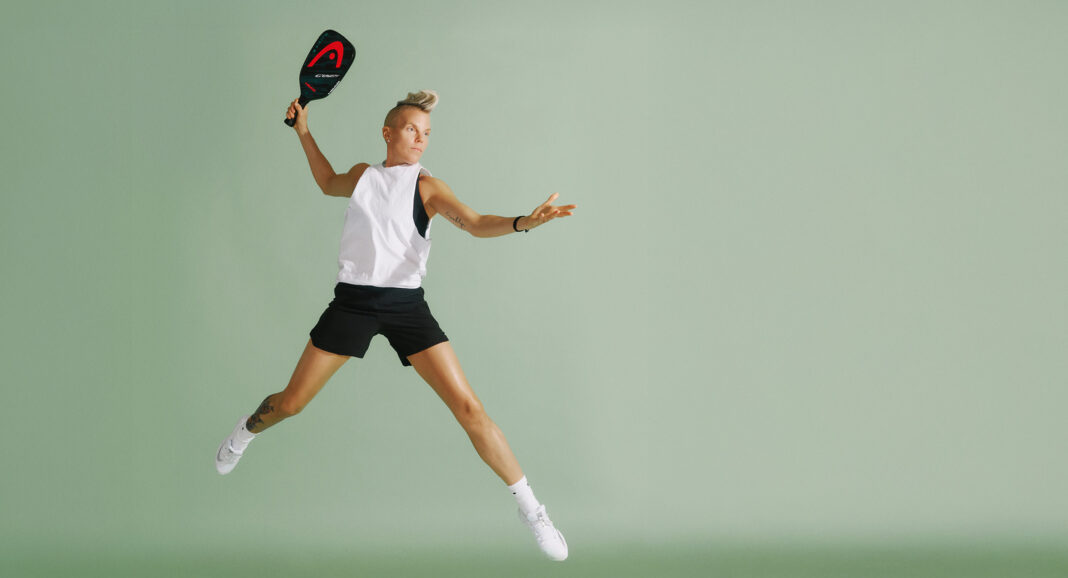
Pickling, dinking, the kitchen—over the last five years, the world of pickleball has become commonplace in the realm of recreational sports, experiencing a viral-like surge of popularity. It has been the fastest-growing sport in America for the last four years and, in 2024, there were an estimated 19.8 million pickleball players in the U.S.
The first iteration of the sport, which has existed since the mid-1960s, was an experimental setup that featured an abandoned badminton court, some repurposed ping-pong paddles, and a few perforated plastic balls. It’s these original constraints that inspired the design of the game that we know today and have allowed it to remain popular over time.
Pickleball’s accessibility, smaller court size, and straightforward rules originally made it popular among retirees. That said, pickleball experienced a second resurgence during the COVID-19 pandemic at a time when people were seeking socially distant activities that family and friends of all ages could easily embrace.
Since then, pickleball has gone on to gain major athletic significance. Three major associations—USA Pickleball, the Professional Pickleball Association (PPA), and Major League Pickleball (MLP)—have contributed to accelerating the growth of the sport, enlisting professional athletes and organizing major tournaments across the United States.
Many professional players such as Ben Johns, Anna Leigh Waters, and Canadian player Catherine Parenteau have gained national and international recognition as athletes and received sponsorships from brands interested in investing in the sport.
It’s clear that part of what has contributed to pickleball’s skyrocketing popularity is its ability to lean into our desire to connect and socialize with others. That said, part of its appeal also lies in its ability to engage our brain in a unique way.
Much like other racquet sports, the rapid movements and decision-making that are characteristic of pickleball activate the cerebellum, which is responsible for our coordination and motor skills.
When engaged, the cerebellum also has the ability to activate the rest of our brain, which, in turn, reinforces its ability to reorganize itself and form new neural connections. Our brain’s capacity to adapt is called neuroplasticity and, by preserving it, racquet sports like pickleball, tennis, and even ping-pong can improve and protect the cognitive function that is key to us aging well as individuals.
For all these reasons, pickleball has become a staple in the weekly routine of many individuals across the country. For those of us pickling regularly, it’s key to remember that adding a functional strength workout to our schedule ensures that we have the stamina to play at a high level and that we can avoid injury.
Despite the charming and playful qualities of this sport, the plastic ball and shorter racquet that are unique to pickleball require individuals to reach lower to the ground and involve a deeper range of motion than other racquet sports such as tennis or badminton.
Training programming that is sport-specific can help to target specific movements that are common throughout a given match. For example, building core strength through exercises like the Pallof press and cable rotations can help offset the risk of lower back injuries, all the while improving our strength as a player.
Similarly, incorporating plyometric exercises into our routine can help our body prepare to absorb some of the impact on our knee and ankle joints. Athletic drills designed to focus on agility can also help to familiarize individuals with the speedy and repetitive lateral movements that are specific to pickleball.
Ultimately, pickleball’s popularity is part of a broader, societal shift that focuses on our desire to age well and embrace the wellness habits that empower us to do so.
We are more aware than ever of the importance of “play” and its ability to reduce chronic stress levels and improve our mental and physical health. By infusing our routines with both movement and connection, pickleball offers an irresistible opportunity to take care of ourselves, all the while safeguarding our ability to live long and healthy lives in the years ahead. The hype is real—and we should all be leaning into it.
Photography by: Kelly Jacob
You may also like: Zero-Waste Your Hiking & Camping Trips
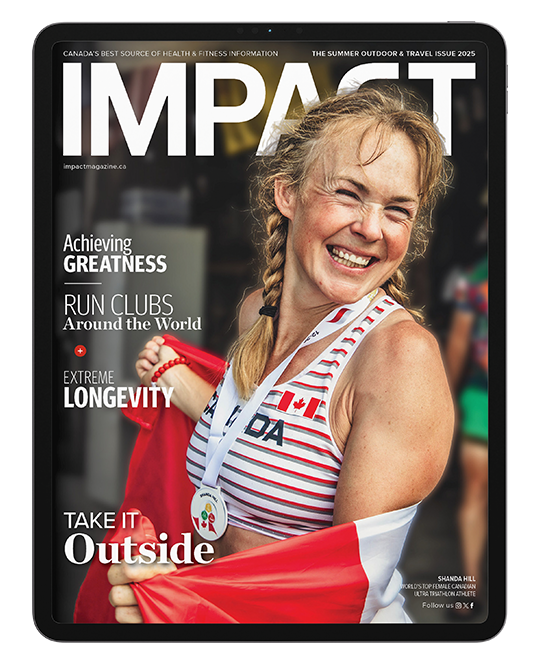
Read This Story in Our 2025 Summer Outdoor Travel Issue
IMPACT Magazine Summer Outdoor Travel Issue 2025 featuring Shanda Hill, a Canadian Ultra Triathlete who is redefining the sport. Run on some epic trails in our own backyard or join a run club. Eat your way for Mental Clarity, fueling while travelling, seasonal eating and some kitchen must haves. Become strong and fit in only 20 minutes a day, and enjoy some tasty drinks guilt free and so much more.