
If you’ve ever walked into a gym and felt uncomfortable, you’re not alone. Maybe the music was too loud, the mirrors overwhelming, or the trainer’s “tough love” approach left you feeling defeated instead of motivated.
In recent years, more gyms have started using the phrase “trauma-informed.” You might see it in class descriptions or posted on a studio wall. But too often it’s treated as a buzzword or a marketing tool rather than a real commitment. While softer lighting or a grounding exercise before class can help, being truly trauma-informed goes much deeper. At its core, it’s about creating fitness environments where you feel safe, respected, and empowered to move your body, regardless of size, ability, or background.
Feeling Unsafe in a “Safe” Space
If you’ve ever left a workout feeling judged or excluded, that’s a sign the space wasn’t truly safe for you.
Some common experiences include:
- Pressure to focus on diet talk or weight loss when that’s not your goal.
- Hearing exercise framed as punishment instead of empowerment.
- Feeling out of place if your body doesn’t match the “ideal” fitness image.
- Having your pronouns ignored or being forced into gendered spaces.
- Experiencing sensory overload from loud music, crowded rooms, or harsh lighting.
A gym can market itself as trauma-informed, but if you leave feeling diminished instead of supported, something isn’t lining up.
Respect and Education
When most people picture a trainer’s education, they think anatomy, movement science, and programming. But what’s often missing is the human side or understanding how complex people really are.
That’s where trauma-informed practice matters. It means your trainer recognizes that “push harder” or “no excuses” doesn’t work for everyone. For trauma survivors, those approaches can cause shutdown, not motivation.
A truly trauma-informed coach learns cultural humility, consent-based touch, inclusive language, and when to refer clients to other ways of support. If you’ve ever been told that toughness is the only path to results, you already know how harmful those messages can feel.
Real safety in fitness goes beyond mechanics. It’s about psychological safety and respect for the whole person.
Fitness Barriers
The fitness industry has long celebrated those who are lean, muscular, and conventionally attractive. This “face and body card” dictates who gets attention, hired, and respected.
If you’ve ever noticed only certain bodies in marketing images, or felt gyms were built for a specific “type” of person, that’s not an accident. For decades, the industry has reinforced the “face and body card” or idea that credibility comes from appearance, which leaves many exercisers feeling unwelcome.
Other barriers deepen that exclusion:
- Financial: High costs make fitness feel out of reach.
- Cultural: Not all communities view gyms as accessible or inclusive.
- Disability and neurodiversity: Lack of adaptive equipment or overwhelming environments make many spaces inaccessible.
These barriers send a clear message: fitness is for some, not all. That narrative must change.
Safety Belongs to All
When people think of safety, they often picture injury prevention. But safety also includes emotional, psychological and cultural well-being. Yet in many gyms, only thin, white, cisgender, able-bodied clients feel safe.
For newcomers or immigrant families, structured fitness can feel financially or culturally out of reach. For neurodivergent people, bright lights, loud music, and crowded rooms can be overwhelming.
As the child of an immigrant and a neurodivergent individual, I know how survival can take priority over wellness. That’s why trauma-informed fitness must expand access and reflect the communities it serves.
So how do you tell the difference between a gym using “trauma-informed” as a label and one that truly practices it? Look for signs like:
- Inclusive language: No shame, diet talk, or punishment framing.
- Consent-first approaches: Trainers ask before offering touch or adjustments.
- Options for all bodies: Modifications, adaptive equipment, and encouragement to move at your own pace.
- Sensory-friendly practices: Lower music, softer lighting, or quiet spaces.
- Facilities that reflect community needs: Gender-neutral change rooms, diverse instructors, and welcoming imagery.
In a true trauma-informed space, you don’t have to “fit in.” The space adapts to you.
Inclusive Spaces
Healing from trauma isn’t something that happens alone. It requires community. Trauma-informed fitness is bigger than individual care. It’s a cultural shift.
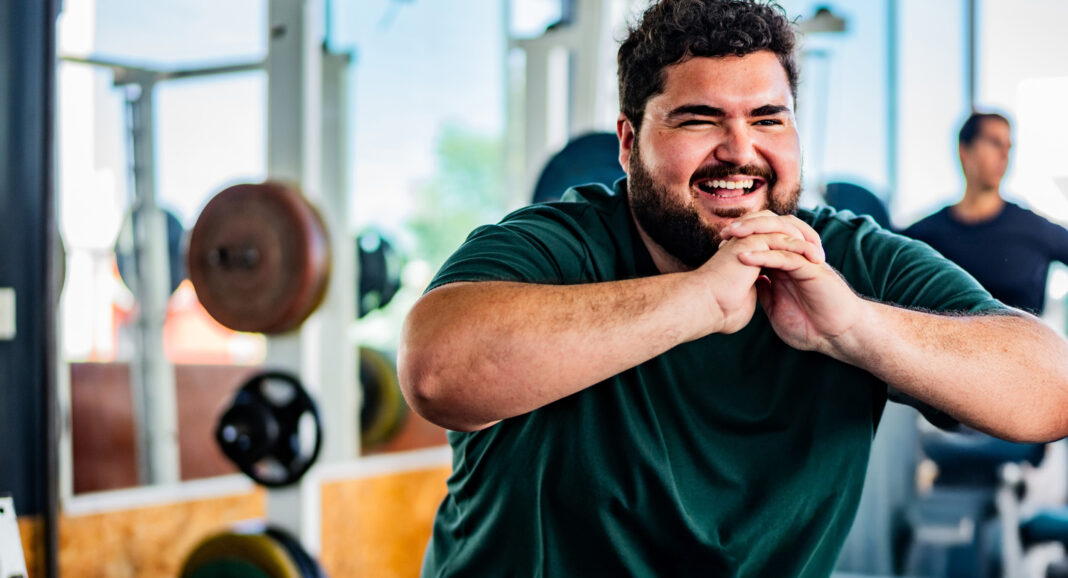
Many who feel unwelcome in traditional gyms thrive in environments where inclusion is the norm. In these spaces, success isn’t measured by six-pack abs or the number on the scale. It’s showing up without fear, breathing deeply through a workout without anxiety, or rediscovering joy in movement.
When fitness spaces create belonging, they stop being intimidating and start becoming places of empowerment.
Fitness can’t replace therapy, but it can help you reconnect with your body with movement in ways that heals, rather than harms.
The industry is slowly shifting, but as participants, we play a role too. By noticing how gyms make us feel, and by supporting inclusive, safe spaces, we can help push fitness culture toward something more empowering, accessible, and human.
The future of fitness isn’t about looking the part. It’s about feeling safe enough to move, connect, and thrive. And that future belongs to all of us.
You may also like: Exercise Benefits Through a Weight Neutral Lens

Read This Story in Our 2025 Fall Fitness Issue
IMPACT Magazine’s Fall Fitness Issue 2025 featuring the The Fitness Guy, Pete Estabrooks, telling all with his shockingly candid new memoir revealing a story you never expected, as well as former pro soccer player Simon Keith and Paralympian Erica Scarff. Find your ultimate guide to cross-training for runners, no jump cardio and superset workouts along with the best trail running shoes in our 2025 Trail Running Shoe Review, and so much more!