
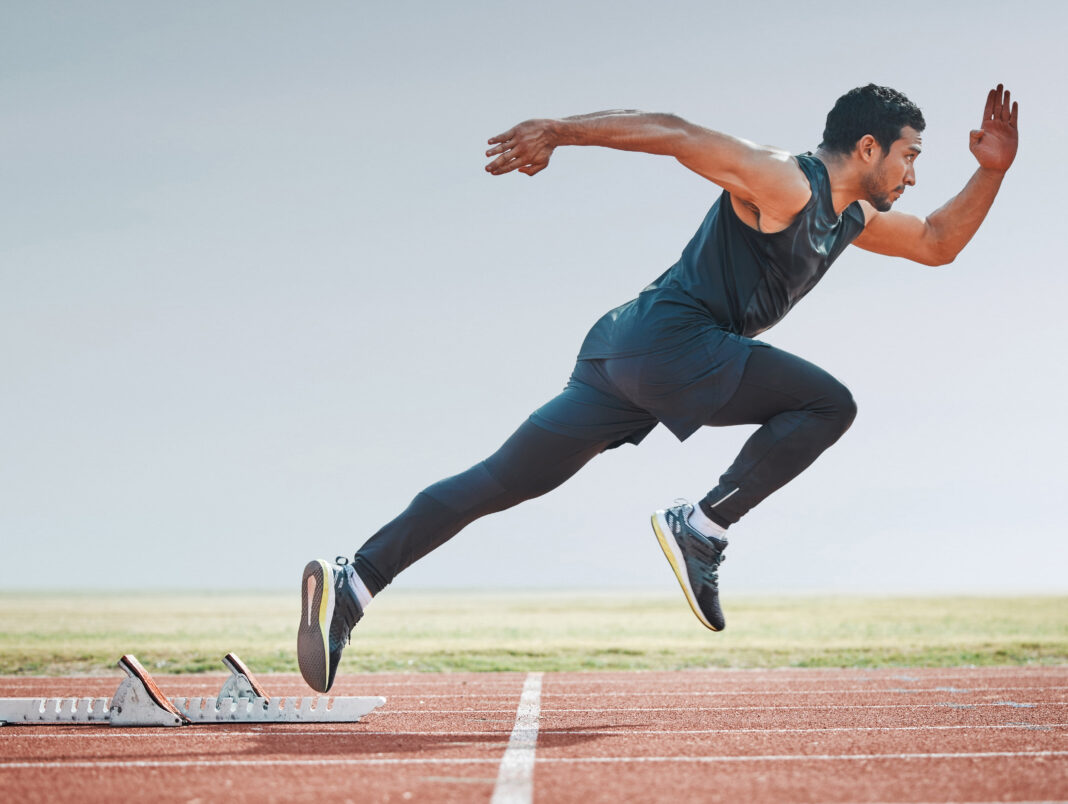
You could be forgiven for thinking Olympic and professional athletes have perfect bodies—perfectly aligned, perfectly conditioned, and perfectly balanced. I used to believe that too. But when I was a young therapist working in the NHL with the Vancouver Canucks, I learned otherwise.
Promising rookie and first-round draft pick Jason Herter was a record-setting defenceman in university—a generational talent. Yet a severe pelvic torsion and the compensation patterns it created helped trigger a sports hernia problem that kept him off the ice and effectively ended what should have been a remarkable career.
That experience taught me something that still surprises people: elite athletes don’t break down because they’re weak. They break down because their bodies are fighting themselves.
THE HIDDEN FLAW IN MODERN “INJURY PREVENTION”
In sport, we’re trained to respect outputs: speed, strength, skill, tolerance, work ethic. That’s why athletic bodies can fool clinicians. They don’t look fragile. They look resilient.
But performance is not the same as capacity.
Capacity is the quiet bandwidth beneath the surface: the margin the nervous system relies on to manage threat, organize alignment, coordinate breath mechanics, distribute load, and absorb the normal friction of training and life. An athlete can keep producing even as that bandwidth shrinks, right up until the system can’t afford its strategy anymore.
Strength and conditioning builds capacity in obvious ways. But alignment—how the body organizes itself against gravity—is what determines whether that capacity can be expressed efficiently, or whether it leaks away through compensation.
When alignment is off, every stride, pivot, jump, and lift subtly increases mechanical friction within the system. Over time, that friction becomes tendon irritation, joint overload, and eventually, injury. Many programs try to solve that by building a bigger engine e.g. by getting stronger, faster, and more powerful. Even when “injury prevention” includes balance drills, bands, and stability tools, it’s often lipstick on a pig if the underlying alignment problem remains unsolved.
WHY RUNNERS’ KNEES AND FEET KEEP BREAKING DOWN
Many IMPACT readers are runners, so let’s make this practical.
Chronic knee and foot problems such as runner’s knee that keeps returning, plantar fascia that never fully settles, Achilles flare-ups that show up the moment mileage climbs are often the body complaining about imbalance, not a lack of grit or fitness. Yes, many runners have less-than-ideal form, and coaching matters. Smarter training loads matter. But there’s a ceiling to how much “form” can fix if the structure underneath is crooked.
Two common culprits show up again and again:
Pelvic asymmetry. A rotated or tilted pelvis changes how the hip socket meets the femur. One side becomes a little better at driving, the other a little better at stabilizing. The runner may not notice at first—output can stay high—but the cost rises quietly. The knee and foot often become the “complaint department” because they’re forced to manage shock absorption and alignment at the same time.
Tibial torsion and foot mechanics. If the lower leg and foot are turned out, the knee often dives inward to find stability, especially under fatigue. That increases stress through the patellofemoral joint, the IT band, and the tissues around the ankle and arch. You can cue “knees track over toes” all day long but no amount of coaching permanently fixes a twisted lower leg or a foot that
can’t load well. The body will revert the moment speed, hills, or distance demand real output.
This is the athlete’s paradox in running clothes: strong bodies can compensate so well that they delay obvious warning signs. Early on, the first signals may be subtle — a stride that feels “off,”
asymmetrical fatigue, slower recovery. Pain often arrives later, and sometimes abruptly.
THE FERRARI PROBLEM
Think of it this way: even a Ferrari can need a wheel alignment. You can tune the engine, fill the tank, and adjust the steering—but if the wheels are crooked or the frame is bent, you’ll still burn through tires. And with a more powerful engine, the eventual disaster is likely to be nasty. The same is true for the human body. You can’t out-train a structural imbalance.
THE MORAL OF THE STORY
The moral is simple: strength and conditioning builds capacity, but alignment builds resilience. Until an athlete’s body is truly organized against gravity—from teeth to toes—every sprint, lift, or stride is performed on borrowed time. Injury prevention must evolve beyond isolated muscles and energy systems to include the deeper mechanics of posture, alignment, and neuromuscular balance. Because those deeper mechanics determine whether an athlete’s horsepower turns into performance or breakdown.
You may also like: Fascial Stretch Therapy
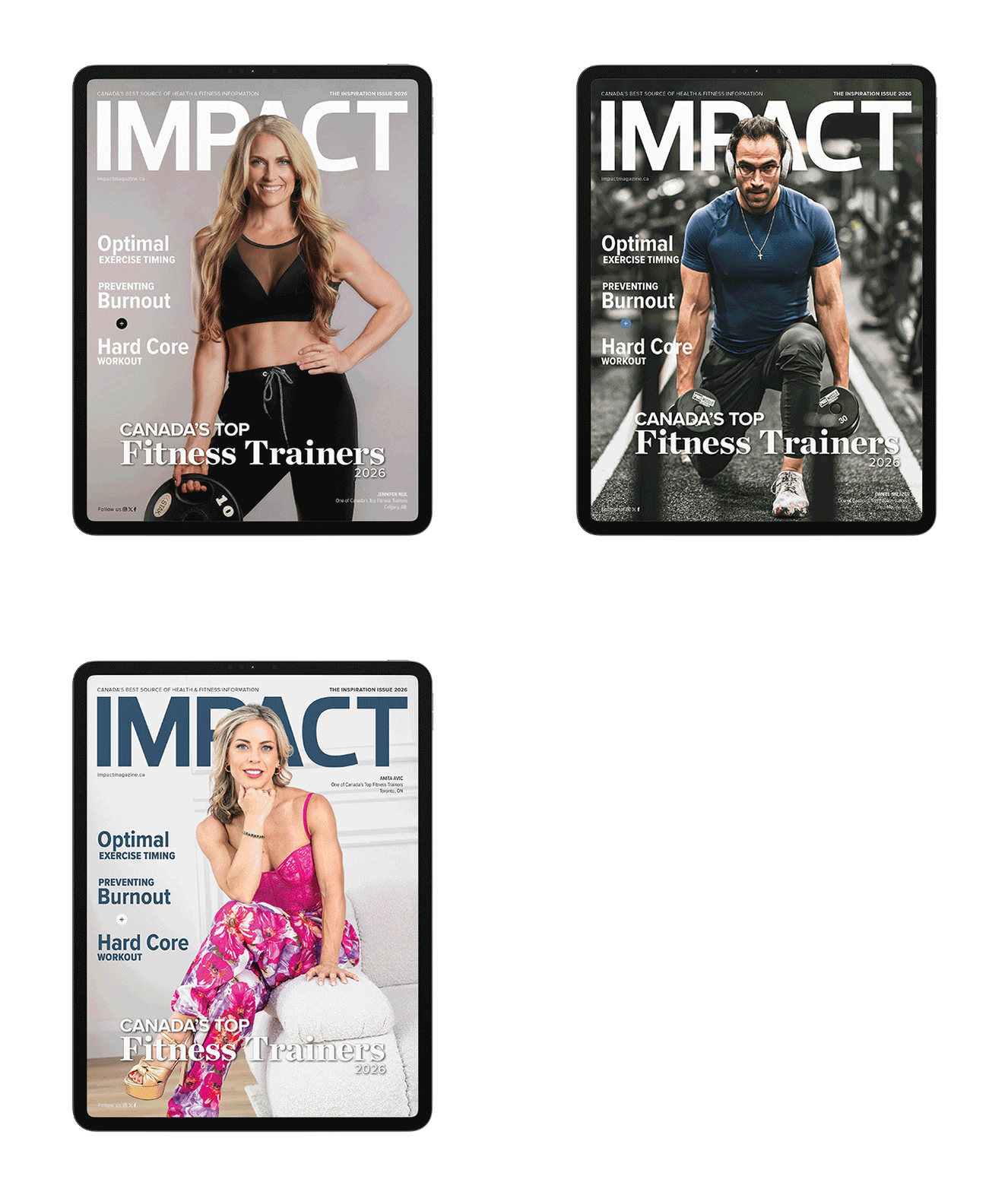
Read This Story in Our 2026 Inspiration Issue
IMPACT Magazine Inspiration Issue 2026
Meet 36 outstanding recipients of Canada’s Top Fitness Trainers, Class of 2026 in this highly anticipated issue!
Plus, when is the optimal time to workout, Mobilize your Training, AI Tools for Better Health, Strong Boned for Life, Prevent Burnout, The Anywhere Dumbbell Workout, Hard-Core Explore workout. Some amazing recipes, Easy Mixed Vegetable Samosas, Sambal Goreng, Citrus Cake and more!
This just scratches the surface of what you’ll find in this issue, so dive into the DIGITAL EDITION and be empowered for a fantastic 2026!