
The world is home to endless kilometres of pathways for the trail enthusiast to explore.
Truly, there is no shortage of destinations you can jet off to for a little adventure.
But sometimes in our quest to find the most daring and spectacular places, we forget about the highlights in our own backyard. That is why we are taking you on a cross-country trip of the incredible trails to run or hike in Canada’s provinces and territories.
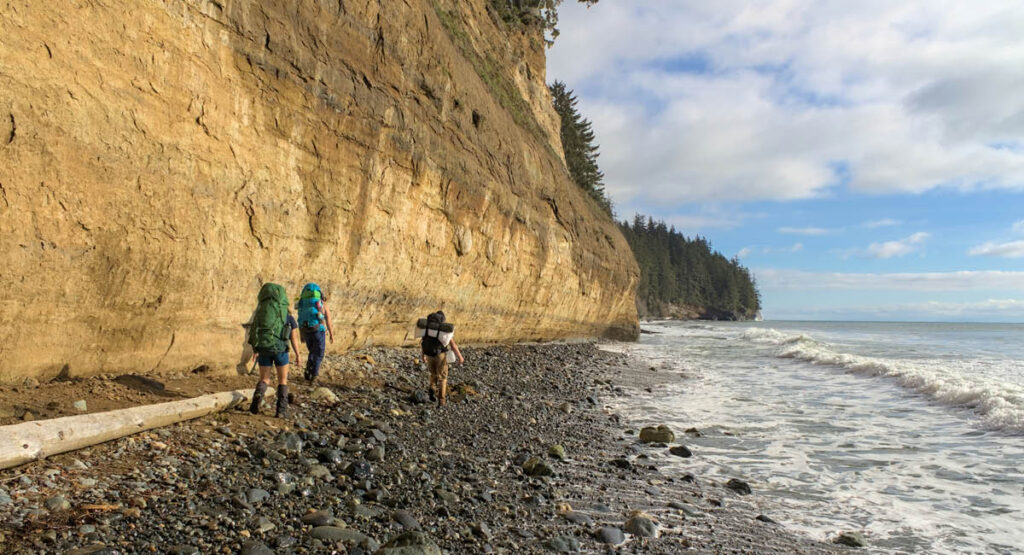
British Columbia – Juan de Fuca Trail
47 kilometres | Photography – Logan Kuzyk
Hugging 47 kilometres of the wild Pacific coastline on Vancouver Island, the Juan de Fuca Trail is an adventurer’s dream.
With old-growth forests, rocky headlands and sweeping ocean views, Juan de Fuca has been described as a “mini” West Coast Trail. But without the strict permit systems and crowds of Canada’s most popular long-distance trail, hikers and runners can enjoy similar challenges of rugged terrain and significant elevation change with less hassle.
Hikers looking to overnight on the trail only have to pay a small fee to stay at one of the designated campgrounds along the way.
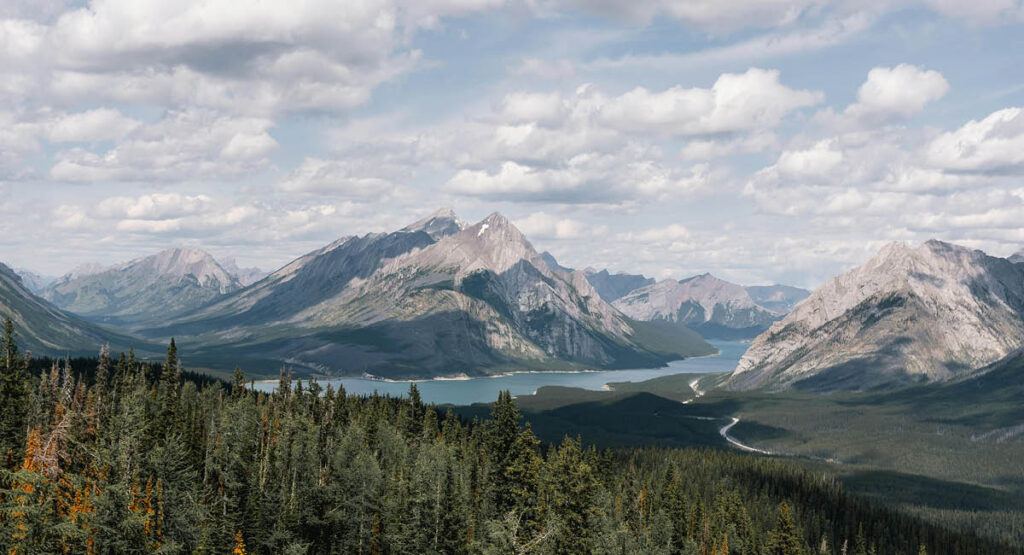
Alberta – Northover Ridge
34 kilometres | Photography – Arjay Neyra
Most people visiting Alberta for the first time will want to head out to the world-famous Banff. And we can’t argue that Banff has some breathtaking trails, but for those looking for a more venturesome experience, Kananaskis is the place to go—more specifically, the Northover Ridge.
This 34-kilometre loop is perfect for the adventurous, with over 1,500 metres of elevation gain and a thrilling knife-edge traverse along the Continental Divide.
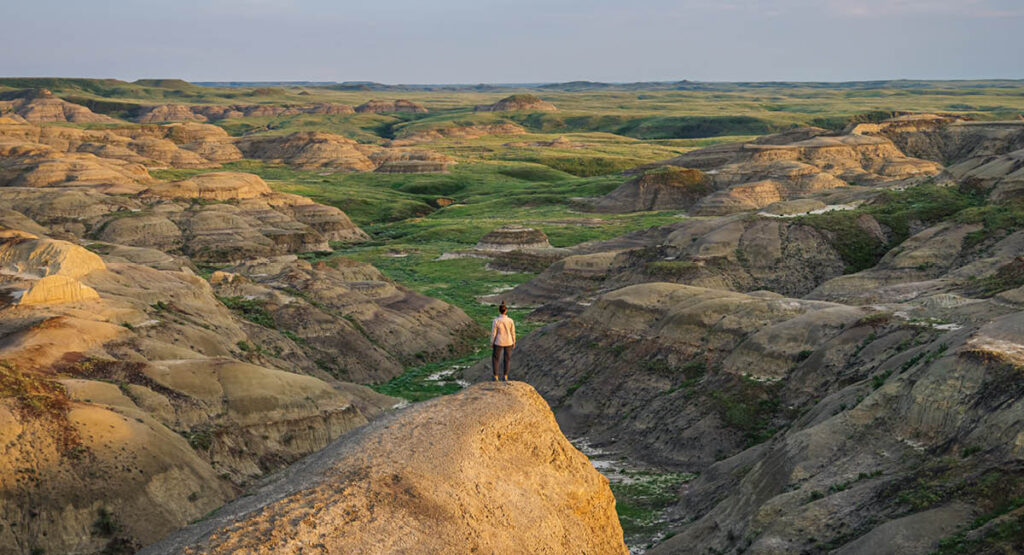
Saskatchewan – Valley of 1000 Devils
11.4 kilometres | Photography – Benjamin Hutton, Tourism Saskachewan
Experience the uniqueness of Canada’s landscape with this rugged 11-kilometre out-and-back in Saskatchewan’s Grasslands National Park.
Pack your sunscreen and water for this hike because as the name suggests, there is no protection from the sun in the badlands landscape. Plan to start your hike early, before the heat of the day sets in as temperatures in the badlands can be 10C hotter than elsewhere. Despite the heat, hikers are treated to solitude and striking terrain as they pass hoodoos, steep coulees, and sun-scorched lands.
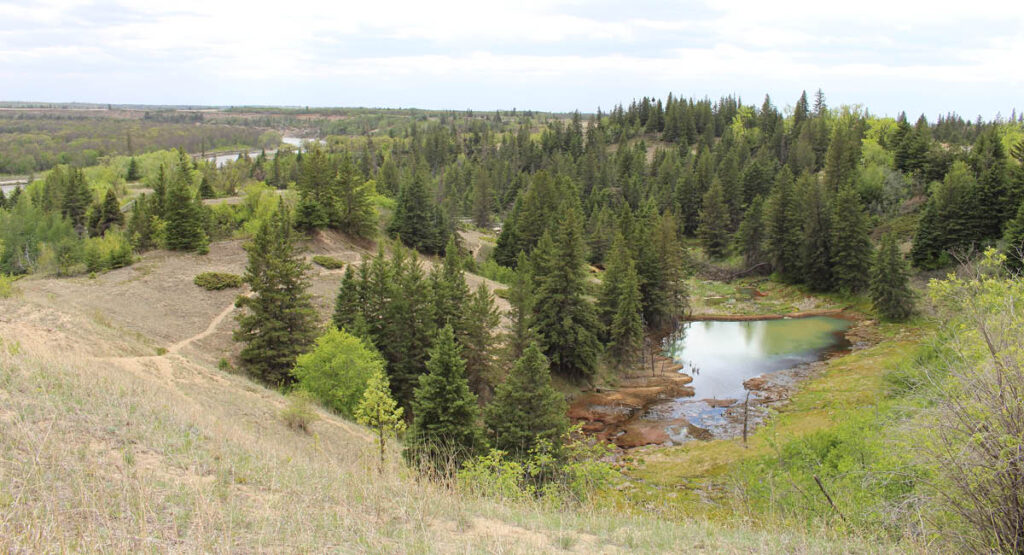
Manitoba – Spirit Sands & Devil’s Punch Bowl
10.4 kilometres | Photography – Travel Manitoba
Canada’s vast landscape keeps on giving on the Spirit Sands & Devil’s Punch Bowl Trail in Spruce Woods Provincial Park, where hikers and runners are treated to an array of scenery.
From Manitoba’s only sand dunes to grassland prairies, rolling hills, forests, and lakes, this 10-kilometre trail truly has something for everyone.
Expect a workout for your calves as you battle the shifting sand underfoot, and know that your reward for tricky terrain is breezy ridges where wildflowers grow in abundance. And once you reach the Devil’s Punch Bowl, enjoy the dazzling turquoise waters.
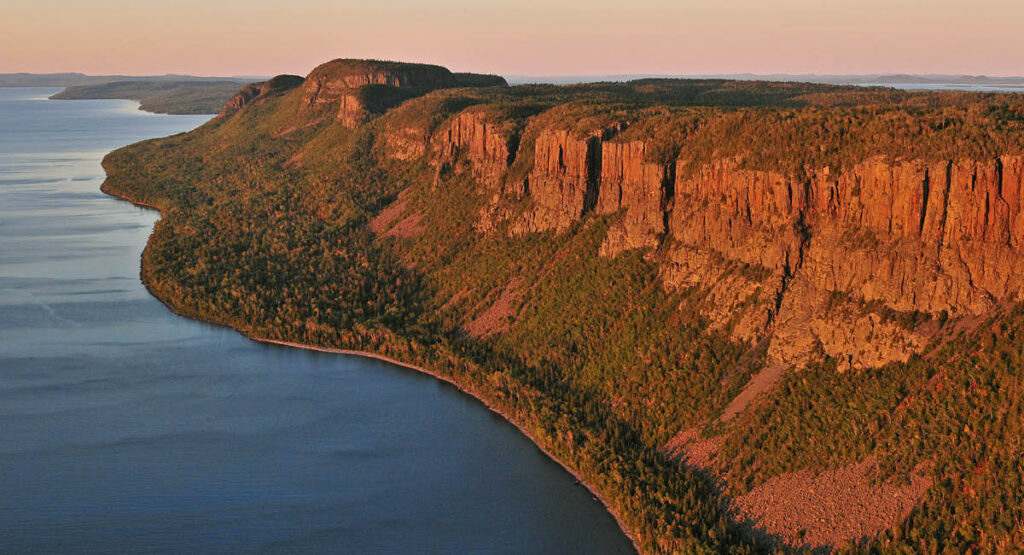
Ontario – Top of the Giant
22.4 kilometres | Photography – Destination Ontario
This is a trail that even native Ontarians living in the province’s metropolitan areas are going to want to make a trip for. Rising dramatically above Lake Superior in Sleeping Giant Provincial Park near Thunder Bay, the Top of the Giant Trail is Ontario’s ultimate big-view hike.
The 22-kilometre out-and-back is perfect for hikers and runners looking for a challenge with a big payoff. Visitors pass through forests of spruce, birch and poplars and along the shoreline of Lake Superior before climbing towards the high point of the trail where they take in the staggering views—a sheer cliff some 300 metres above the world’s largest freshwater lake.
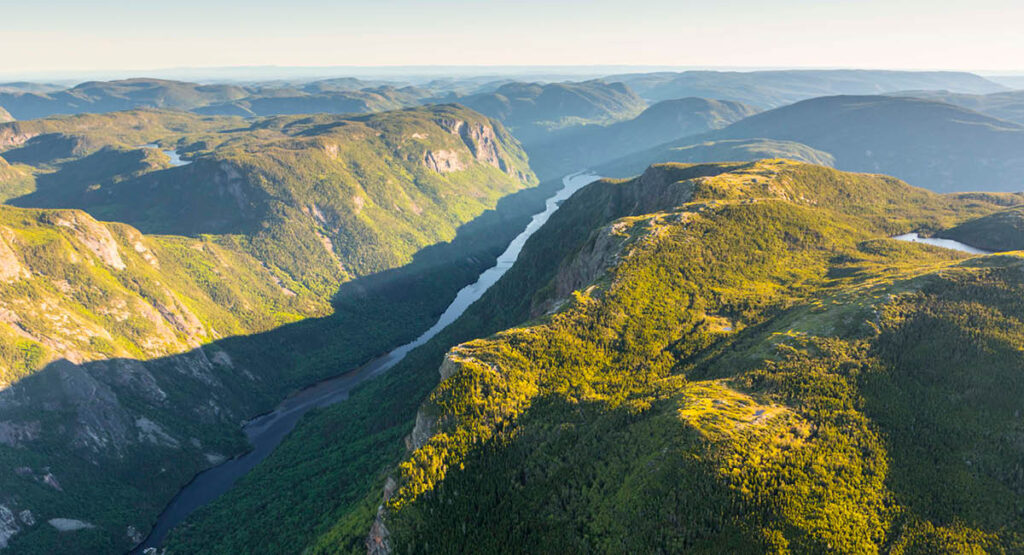
Quebec – Acropole des Draveurs Trail
11.2 kilometres | Photography – Ian Roberge, Tourisme Charlevoix
Carrying on with the quad- and calf-burning trails, the Acropole des Draveurs Trail in Hautes-Gorges-de-la-Rivière-Malbaie National Park will give you a challenge your whole body will feel, but a reward your mind won’t soon forget.
This incredibly popular hiking spot north of Quebec City does have an entrance fee for the national park and there is a free shuttle that visitors must take to reach the start of the trailhead.
Once on the trail, expect steep switchbacks and climbs with three main summits, each with increasingly magnificent views of the river valley, lush forest, and surrounding peaks.
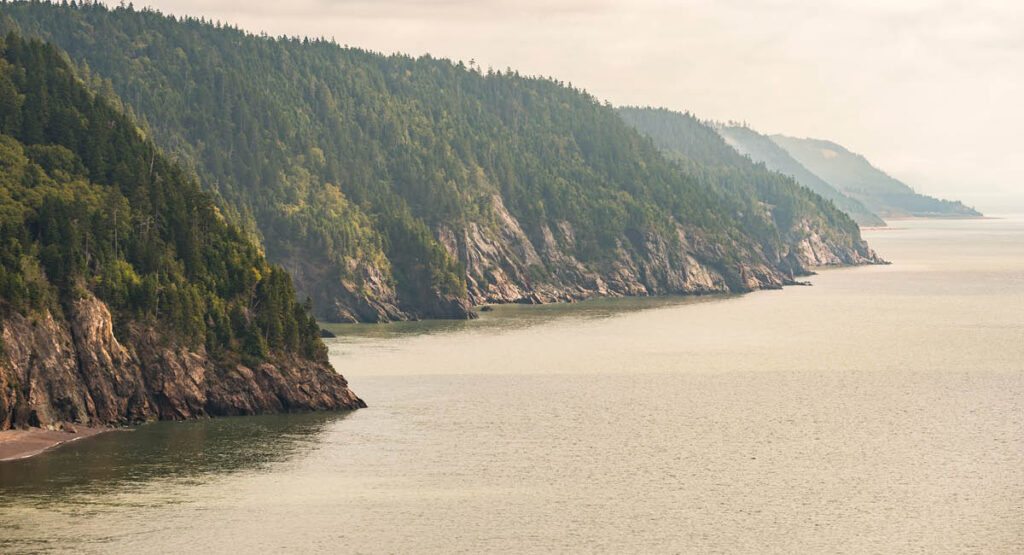
New Brunswick – Fundy Footpath
41 kilometres | Photography – Nick Hawkins, Tourism New Brunswick
Stretching 41 kilometres from the Big Salmon River and hugging the coastline to the Fundy National Park, this rugged, world-class trail should be at the top of all trail runners’ and hikers’ bucket lists.
The Fundy Footpath offers an unparallelled wilderness experience as travellers hike through forests, pass waterfalls, and cross pebble beaches and ravines—including two tidal rivers that can only be crossed at low tide.
Camping conditions are primitive with no designated sites and water treatment is necessary, so make sure you’re prepared with all of the essentials before taking on this mammoth trail.
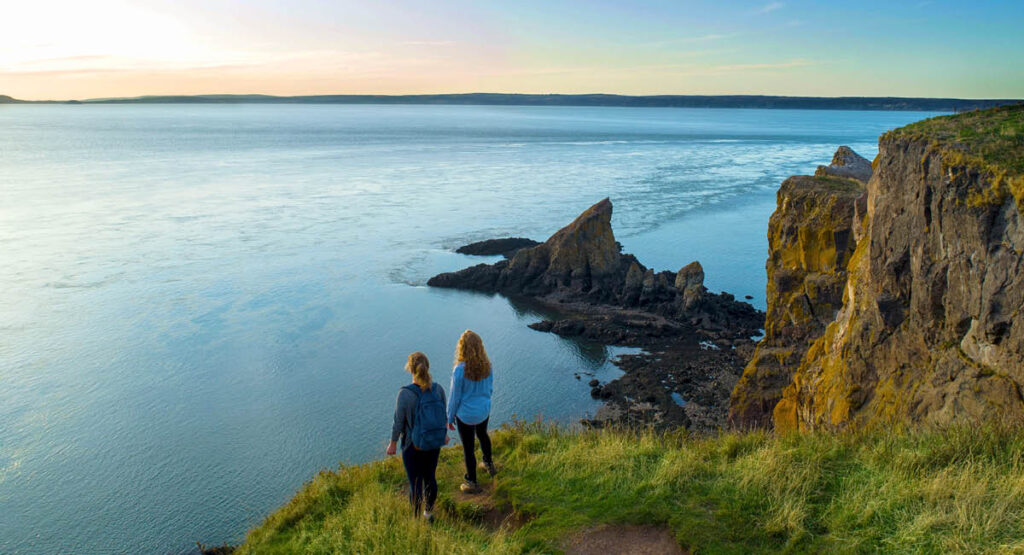
Nova Scotia – Cape Split Trail
13.2 kilometres | Photography – Patrick Rojo, Tourism Nova Scotia
The Skyline Trail may be the first trail to come to mind when we think of Nova Scotia hiking. But in 2025, it’s so popular that it reaches capacity most days. That’s why we’re recommending a less crowded but no less stunning option.
The Cape Split Trail offers a mix of dense woodland beauty and scenic lookouts over the Bay of Fundy, where hikers can catch a glimpse of the world’s highest tides.
But the true gem of this hike comes at the trail’s dramatic headland, with towering clifftop views of where the Minas Basin meets the Bay of Fundy.
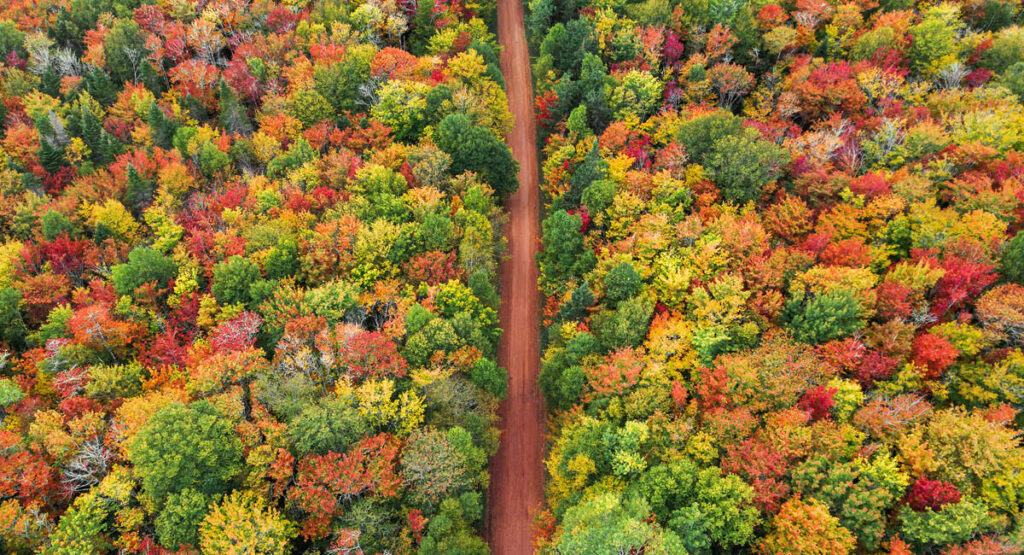
Prince Edward Island – Confederation Trail
449 kilometres | Photography – Sander Meurs, Tourism PEI
Built on a decommissioned railway line, Confederation Trail runs the entire length of P.E.I. Although the main trail runs 273 kilometres from Tignish in the west to Elmira in the east, the trail branches off to various towns and communities on the island, bringing the trail’s total length to 449 kilometres.
The trail may be long, but it’s flat and easy to tackle in shorter stints. Confederation Trail is also more than just your average hiking trail with over 1,600 geocaches and nearly 250 bilingual interpretive panels along the route.
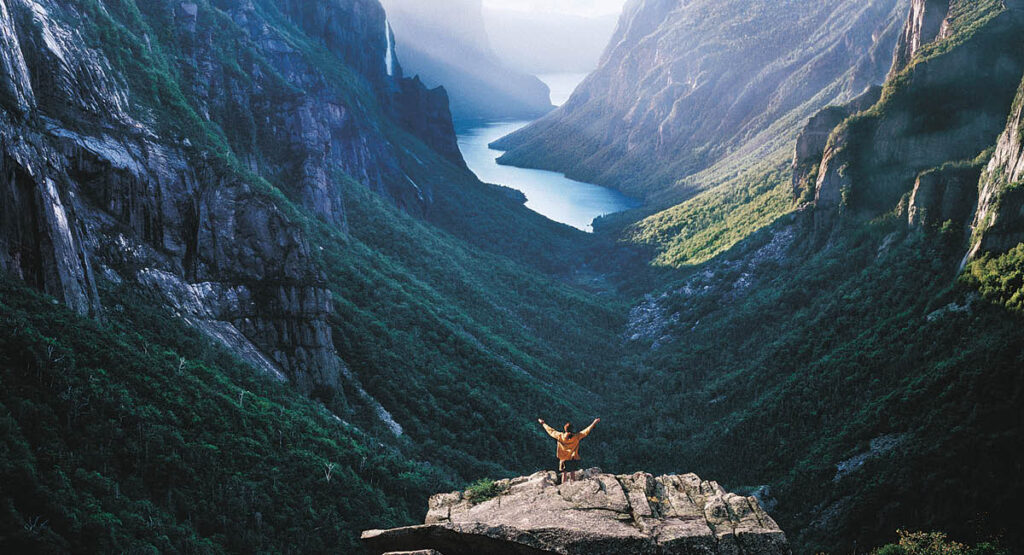
Newfoundland – Gros Morne Mountain Trail
15.4 kilometres | Photography – Newfoundland & Labrador Tourism
It’s true that Gros Morne Mountain Trail captures the raw and untouched beauty of Newfoundland, but similar to other trails on this list, it’s not for the faint-hearted. This challenging loop will test your limits as you climb nearly 800 metres from lush forests to the summit of Newfoundland’s second-highest peak.
Expect views of Ten Mile Pond, Long Range Mountains, wildlife and wildflowers. Those hoping to tackle this trail should be prepared with the right clothes and plenty of water. Also, plan your visit wisely as the trail is closed for ecological reasons from May to late June each year.
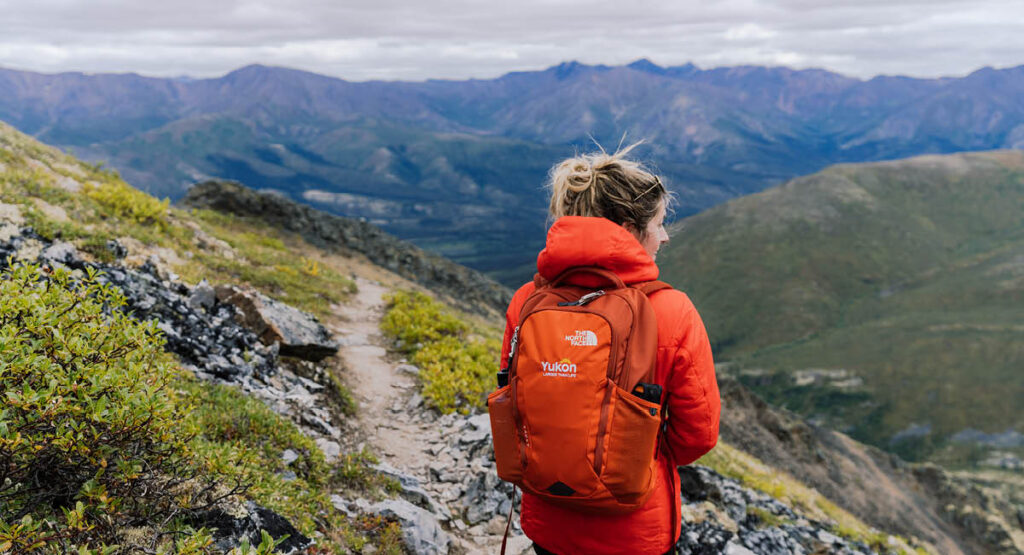
Yukon – Grizzly Lake Trail
22.2 kilometres | Photography – Michael Overbeck, Travel Yukon
Grizzly Lake Trail is located in Tombstone Territorial Park, with Dawson City the closest hub about an hour-and-a-half south.
This is a hike that takes a little more preparation than some of the others. A permit must be purchased if you intend to camp, plus, all trail users must register and attend a backcountry orientation before starting the hike.
But don’t worry. The preparation will be worth it to experience the untamed wilderness of Canada’s north. With rolling grassy meadows, jagged peaks and alpine lakes, this is a hike you won’t soon forget.
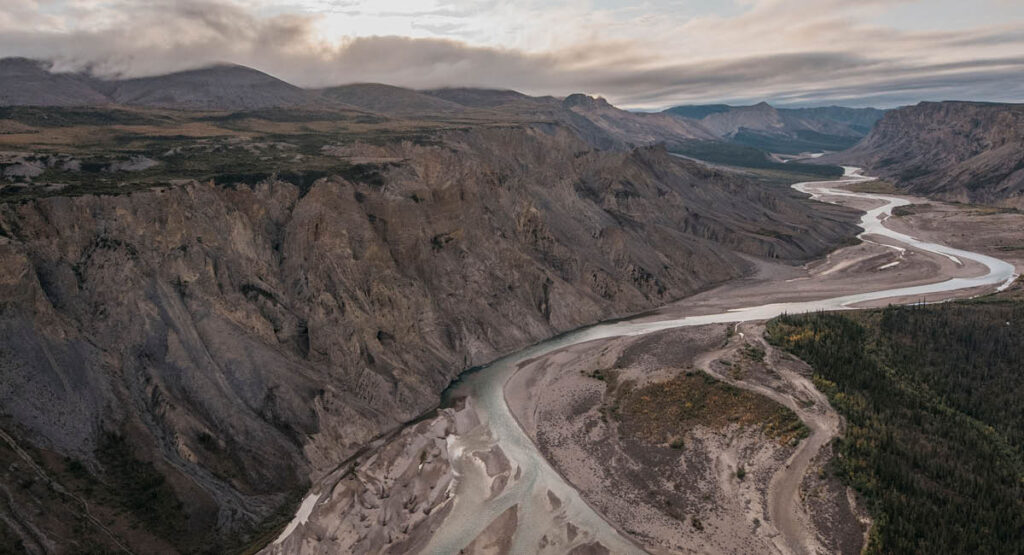
Northwest Territories – Canol Heritage Trail
350 kilometres | Photography – Hans Pfaff, NWT Tourism
If you’re looking for solitude and seclusion, this is the hike for you. You can put your cell phone away—unless you want to take photos of the dramatic landscape—because there is no service along the trail.
From Norman Wells, N.W.T., through the Mackenzie Mountains and ending at the Macmillan Pass on the Yukon border, this is one of Canada’s most challenging hikes. But if you’re up for the challenge, it’s also one of the most rewarding. You’ll trek through rugged mountain valleys, tundra meadows, and past relics of military history.
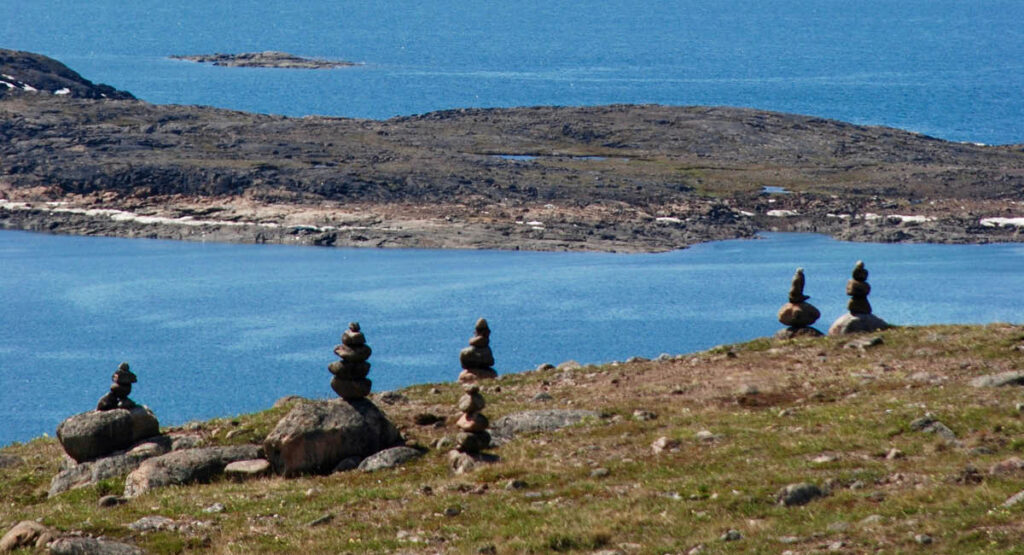
Nunavut – Apex Trail
5 kilometres | Photography – Isaac Demeester
It’s not the territory’s most extreme trail—that title goes to the 97-kilometre Akshayuk Pass—but this is certainly a great trail to get accustomed to Nunavut’s landscape with beautiful scenery along the coast. Located near Iqaluit, runners and hikers alike can enjoy a relatively relaxed journey along the bayside.
What makes this a truly special (and Canadian) trail is that you can see a historic Hudson’s Bay Company establishment; old building foundations and rusting machinery tell of a once-booming establishment from 1949.
Some sections of the trail can be hard to follow, so an offline GPS map of the trail is recommended.
You may also like: Cross-Country Road Trip

Read This Story in Our 2025 Summer Outdoor Travel Issue
IMPACT Magazine Summer Outdoor Travel Issue 2025 featuring Shanda Hill, a Canadian Ultra Triathlete who is redefining the sport. Run on some epic trails in our own backyard or join a run club. Eat your way for Mental Clarity, fueling while travelling, seasonal eating and some kitchen must haves. Become strong and fit in only 20 minutes a day, and enjoy some tasty drinks guilt free and so much more.