

Agility is the integration of several physical and neurological components working synergistically. It incorporates balance, coordination, reaction time, strength, mobility, and cognitive processing. Agility is not just how quickly someone can move, but their ability to identify the task-relevant clues and execute an accurate and rapid motor response. It is often mistakenly thought of as a skill solely for professional athletes, such as soccer players changing direction full-tilt or hockey players pursuing the puck and evading opponents.
In reality, agility is one of the most important physical capacities that is often overlooked yet is required throughout our lives. An athlete may appear fast by having high-level agility, moving efficiently no matter the task. More so than flashiness and quickness on the field; it is about everyone’s ability to move efficiently, react quickly, and maintain their centre of mass in a dynamic environment. When you step off a curb, catch yourself slipping on ice, pivot to avoid a collision, or reach to steady yourself after a misstep, you are employing agility. These movements necessitate communication between the brain, nerves, muscles, and joints; hence agility is as much a brain skill as a physical one that you need day-to-day.
Agility starts in Childhood
From childhood to older adulthood, agility training plays an essential role in physical health, brain function, injury prevention, and overall quality of life. The ability and confidence to move in many ways is fundamental for children and teens. Running, jumping, chasing a ball, skipping, changing direction, and reacting to stimuli helps wire the brain for efficient movement patterns and motor control. It also supports motor-skill development, coordination, and confidence. Children who move efficiently are more likely to enjoy physical activity and stay active as they age. Importantly, agility work also reduces injury risk by teaching children how to decelerate, absorb force, and control their bodies in space.
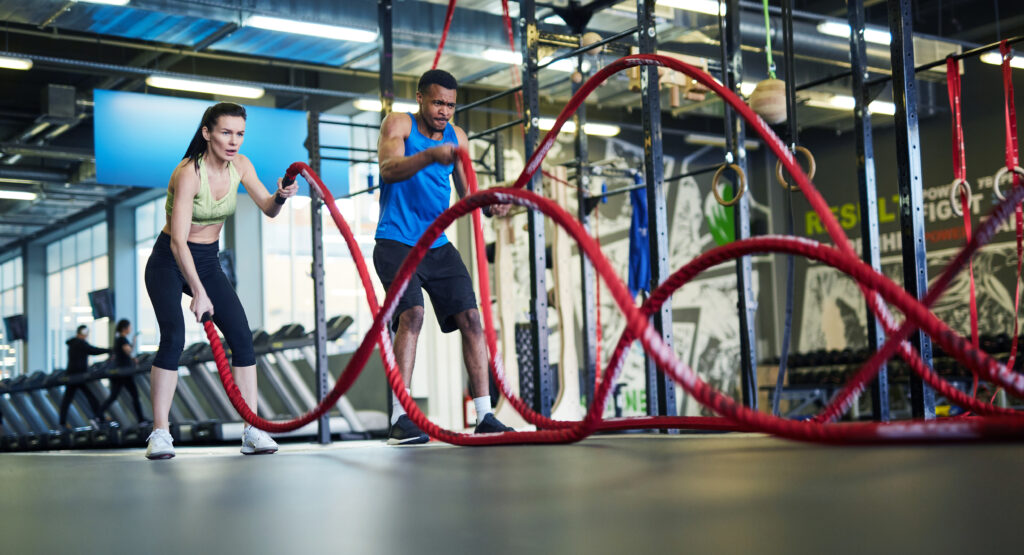
For adults, agility training enhances both performance and resilience. Whether someone is an athlete, a recreational exerciser, or simply navigating busy daily life, agility underlines efficient movement. It improves joint stability, neuromuscular control, and the ability to transition smoothly between tasks. From a performance standpoint, agility allows adults to generate and control force more effectively in a given range of motion. From a resilience perspective, it guards against common injuries such as ankle sprains and knee strains by improving proprioception and neuromuscular coordination.
Agility training also tests the nervous system more so than traditional exercise such as running on a track or road cycling. Multi-directional movement, decision-making, and reaction drills stimulate brain regions involved in attention, timing, and coordination. This kind of training builds movement capacity. Rather than a pre-planned route, opt for reactive drills, i.e., responding to an unanticipated stimulus to further challenge yourself.
You may also like: Athletes with IMPACT
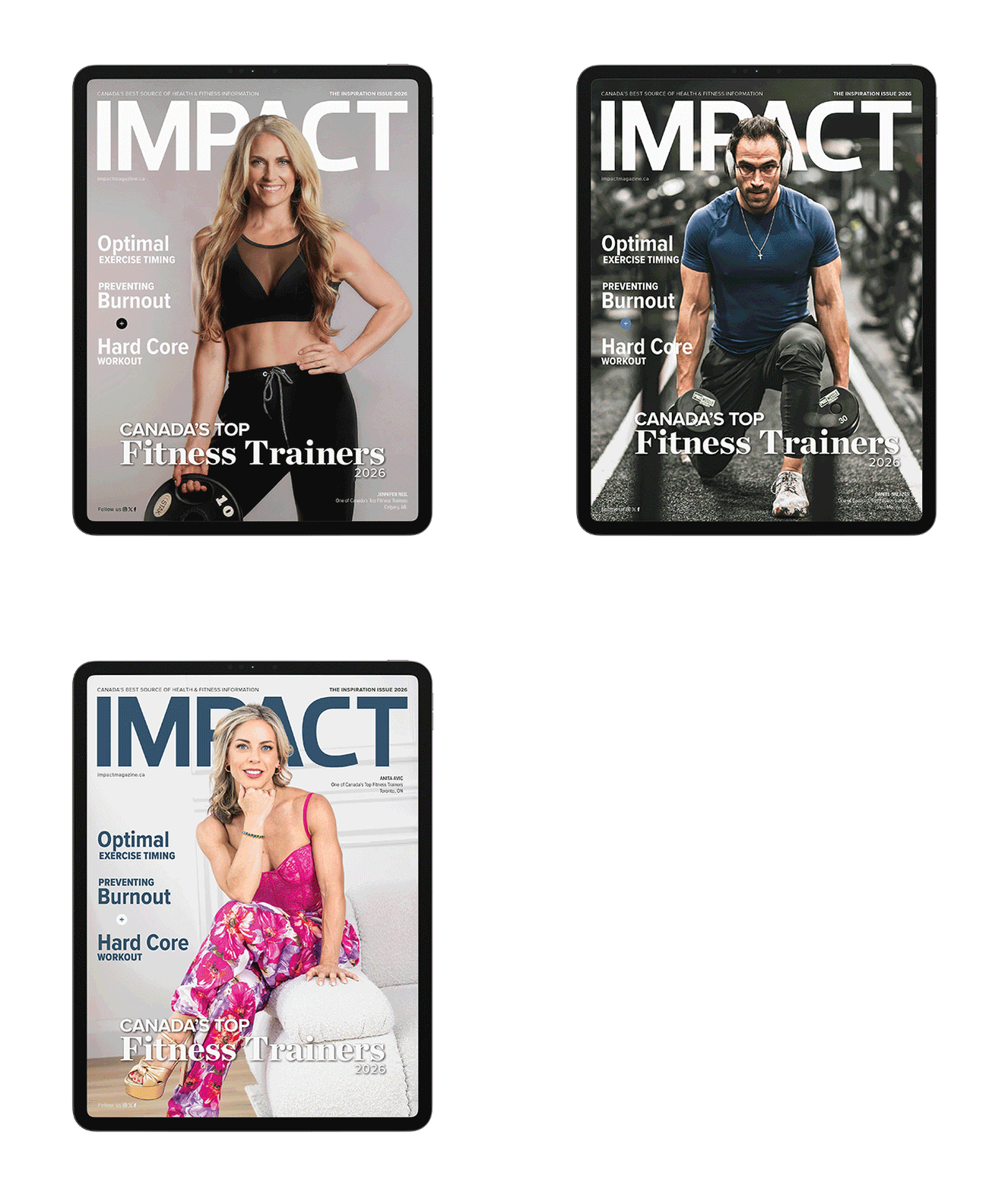
Read This Story in Our 2026 Inspiration Issue
IMPACT Magazine Inspiration Issue 2026
Meet 36 outstanding recipients of Canada’s Top Fitness Trainers, Class of 2026 in this highly anticipated issue!
Plus, when is the optimal time to workout, Mobilize your Training, AI Tools for Better Health, Strong Boned for Life, Prevent Burnout, The Anywhere Dumbbell Workout, Hard-Core Explore workout. Some amazing recipes, Easy Mixed Vegetable Samosas, Sambai Goreng, Citrus Cake and more!
This just scratches the surface of what you’ll find in this issue, so dive into the DIGITAL EDITION and be empowered for a fantastic 2026!