
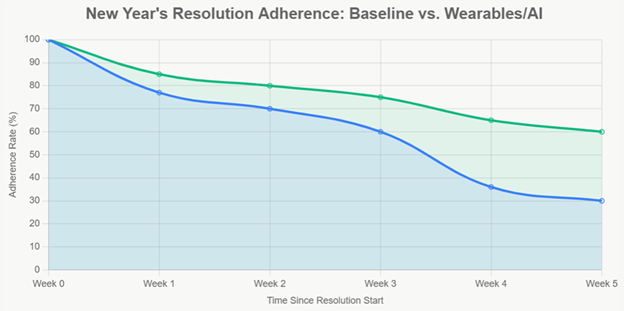
A New Year often comes with New Year’s resolutions, then often followed by the unofficial Quitter’s Day (the second Friday in January) or a gradual “falling off the wagon” in February. This year is likely to be different because of AI. Wearables, sleep trackers, food-logging apps, and AI integrators will enable you to work smarter, not harder. They help prevent overtraining sparked by early enthusiasm, avoid crash dieting, and provides timely reminders during busy days. Here is an AI-generated prediction of the effect. The blue baseline shows how people give up on their new year’s resolutions, and the green line shows when they use wearables with data analyzed by AI. It shows better adherence to new year’s resolutions.
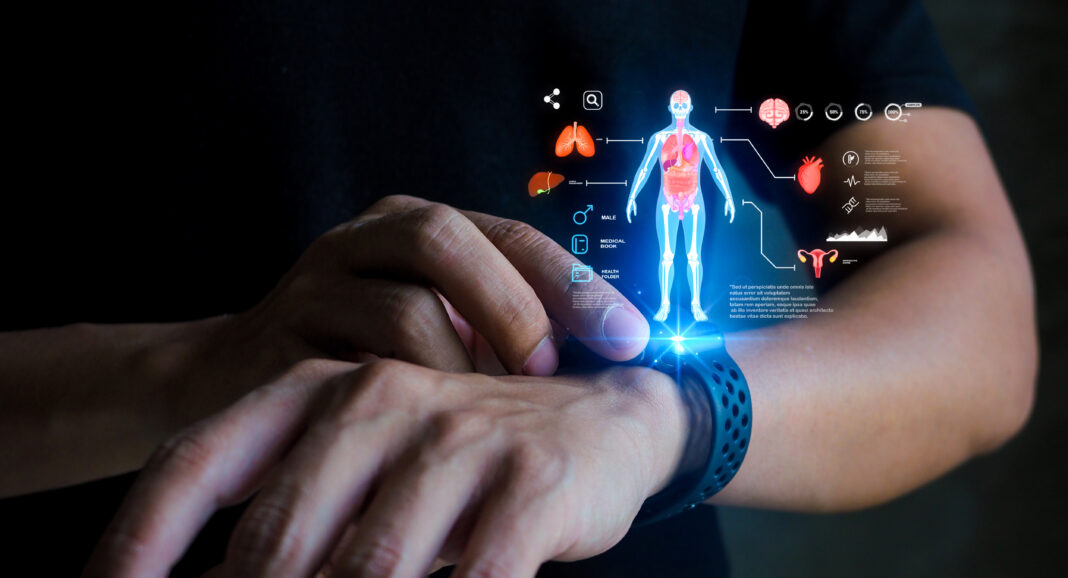
Here are six practical ways anyone can start using A I tools to improve their health and reach their fitness goals in 2026.
1) Optimize sleep using wearables like Oura, Fitbit, or Sleep Cycle
Just as buildings require strong foundations, fitness and health depend on the willpower needed to sustain them. Think of a day after a poor night’s sleep: you’re more likely to reach for carbs and caffeine, and workouts feel much harder. Before sleep trackers, we only knew how long we stayed in bed and how we felt. Now we can identify what genuinely affects our sleep. Should we avoid late caffeine or reduce it altogether? Do evening workouts keep our heart rate too high at night? Does late screen time matter to us personally? Data lets us prioritize sleep and find the drivers that ensure a better day follows.
2) Use HRV data from Apple Watch or Whoop to improve training and avoid overtraining
Anyone who has swung a golf club knows the “sweet spot” on the club face that makes the ball fly straighter and farther. Pros find it 90 per cent of the time, while weekend golfers hit it maybe 20 to 30 per cent. HRV (heart rate variability) helps us find the sweet spot between over- and under-training. If your resting pulse is 60, your heart beats roughly once per second, but in reality, it varies slightly: 1.01, 0.99, 0.98, 1.02, and so on. These micro-variations reflect how well the heart adapts to nerve input. Higher HRV (roughly 40 to 100) generally signals better recovery, while lower values (under 30, especially under 20) can indicate overtraining and the need for rest.
3) Personalize nutrition using AI tools such as Cronometer or Levels
A single breakfast banana spikes my blood sugar to 150, but it won’t do that for everyone. Nutrition is inherently personal. Blood sugar control matters because spikes place stress on the body, increase inflammation, and can contribute to fatty deposits in arteries, especially in the heart and brain. Cronometer excels at detailed food tracking, particularly micronutrients, though it requires manual entry. For those who prefer ease over precision, photo-based apps like Foodvisor, Calorie Mama, and Snap It estimate food content automatically. The most important step is using a program such as Levels (which requires a continuous glucose monitor) to see how your diet, movement, and sleep shape your blood sugar patterns.
4) Start the year with one simple daily tracking habit—steps, sleep, or hydration
Around 100 years ago at Western Electric’s Hawthorne Works, researchers discovered an unexpected effect: simply being observed increased productivity. For beginners, before diving into AI, track just one habit. It doesn’t matter which—steps, time spent walking, or morning weight. You become both the observer and the observed, and the instinct to improve follows naturally. Over time, you can feed that data into AI and let technology track additional measures. Most importantly, let AI integrate everything so you can see whether your efforts are improving your health.
5) Use apps like Breathwrk or Calm to reduce stress and support recovery
It isn’t all about effort, relaxation plays an equal role. Adrenaline sharpens focus and strengthens muscles when danger appears, but constant low-grade stress works against us. Breathwrk, Calm, and similar guided-meditation apps help lower blood pressure, reduce inflammation, and support emotional regulation, among other benefits.
6) Use AI to prepare for more effective doctor visits
Modern appointments are often rushed, and it’s easy to forget concerns you meant to raise. AI can organize your thoughts, but it can also do far more. Listing your medications and supplements prompts AI to flag potential issues. St. John’s wort conflicts with most anti-depressants. CoQ10 often needs monitoring or supplementation when taking a statin. Medications from different specialists may interact. The deeper value of AI lies in integration: wearable data, symptoms, and test results analyzed against vast medical literature can offer insights for you and your physician. This enhances clinical care rather than replacing it.
AI is poised to transform health and medical care. Its access to the scientific literature, combined with the ability to measure how we live and move, creates a breakthrough unlike anything before. The greatest gap today is simply awareness and practical know-how.
You may also like: Mindset Mastery
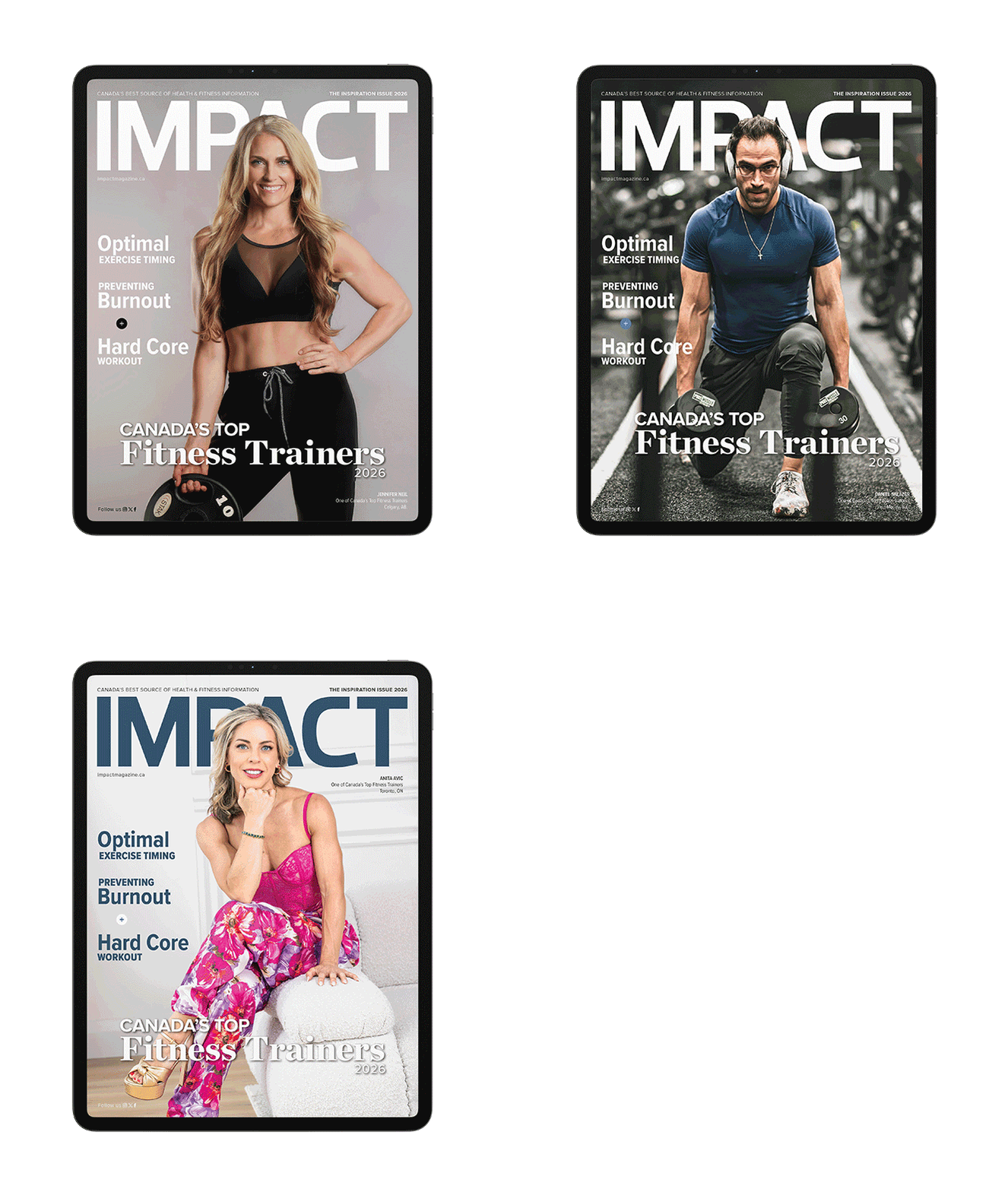
Read This Story in Our 2026 Inspiration Issue
IMPACT Magazine Inspiration Issue 2026
Meet 36 outstanding recipients of Canada’s Top Fitness Trainers, Class of 2026 in this highly anticipated issue!
Plus, when is the optimal time to workout, Mobilize your Training, AI Tools for Better Health, Strong Boned for Life, Prevent Burnout, The Anywhere Dumbbell Workout, Hard-Core Explore workout. Some amazing recipes, Easy Mixed Vegetable Samosas, Sambai Goreng, Citrus Cake and more!
This just scratches the surface of what you’ll find in this issue, so dive into the DIGITAL EDITION and be empowered for a fantastic 2026!